

This International dessert features NAMES OF PORK CUTS.–The butcher usually buys a whole carcass of, USES OF PORK CUTS.–Hogs are usually fattened before they are, The head of pork does not contain a great deal of meat, but, as the. It delivers hearty, protein-packed satisfaction. A wonderful way to end any meal, especially on special occasions. Simple to make with ingredients you likely already have on hand, this is a recipe you will come back to again and again.
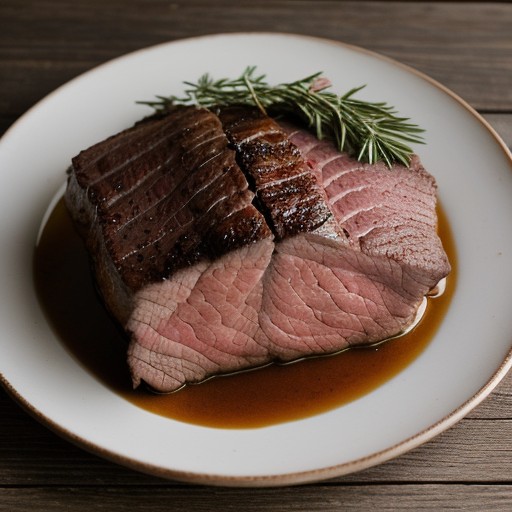
Roasted Beef
Description
This International dessert features NAMES OF PORK CUTS.--The butcher usually buys a whole carcass of, USES OF PORK CUTS.--Hogs are usually fattened before they are, The head of pork does not contain a great deal of meat, but, as the. It delivers hearty, protein-packed satisfaction. A wonderful way to end any meal, especially on special occasions. Simple to make with ingredients you likely already have on hand, this is a recipe you will come back to again and again.Ingredients
Directions
-
pork.
-
He first divides it into halves by splitting it through the spine, and then cuts it up into smaller pieces.
-
As will be observed, the method of cutting up a hog differs greatly from the cutting of the animals already studied.
-
After the head is removed, each side is divided into the shoulder, clear back fat, ribs, loin, middle
-
cut , belly, ham, and two hocks.
-
slaughtered, and as a result there is a
-
layer of fat under the skin which is trimmed off and used in the making of lard.
-
The best quality of lard, however, is made from the fat that surrounds the kidneys.
-
This is called leaf lard, because the pieces of fat are similar in shape to leaves.
-
Such lard has a higher melting point and is more flaky than that made from fat covering the muscles.
-
quality of this meat is very good, it is valuable for a number of special dishes, such as headcheese and scrapple.
-
The hocks contain considerable gelatine, so they are used for dishes that solidify, or become firm, after they are made.
-
provides both roasts and steaks, or, when trimmed, it may be cured or smoked.
-
The front leg, which is usually cut to include the lower part of the shoulder.
-
The ribs inside this cut, when cut from underneath, are sold as spareribs.
-
This piece is generally trimmed to make what is known as shoulder ham.
-
obtained the most desirable chops and roasts.
-
When a roast is desired, the rib bones are removed from the rib cut.
-
Directly under the backbone in these cuts is the tenderest piece of pork to be had.
-
When this is removed in one piece, it is, as in beef, called the tenderloin.
-
Very often, however, it is left in to be cut up with the rest of the loin.
-
suitable for salt pork.
-
These two cuts consist of large quantities of fat and only narrow layers of lean.
-
They are especially valuable for enriching and flavoring foods, such as beans, that are neither rich in fat nor highly flavored.
-
ready for curing or for roasting, as will be noticed, the outside skin, or rind, is not removed from either the shoulder or
Nutrition Facts
Servings 1 serving
- Amount Per Serving
- Calories 21358.2kcal
- % Daily Value *
- Total Fat 1314.2g2022%
- Saturated Fat 461.5g2308%
- Cholesterol 5421.5mg1808%
- Sodium 26054.8mg1086%
- Total Carbohydrate 18.2g7%
- Dietary Fiber 0.0g0%
- Sugars 6.5g
- Protein 2160.2g4321%
* Percent Daily Values are based on a 2,000 calorie diet. Your daily value may be higher or lower depending on your calorie needs.
148, are, bacon, beef, before, belly, but, butcher, buys, carcass, commonly, contain, cut, cutshogs, cutsthe, deal, dessert, does, fattened, great
