

This International soup features POINTS TO BE OBSERVED IN COOKING MILK.–Because of the nature of, When milk that is not perfectly fresh is cooked with other materials, As has already been learned, great care must be taken in the heating. The flavors come together beautifully. Comforting for cold days and perfect for meal prep. Simple to make with ingredients you likely already have on hand, this is a recipe you will come back to again and again.
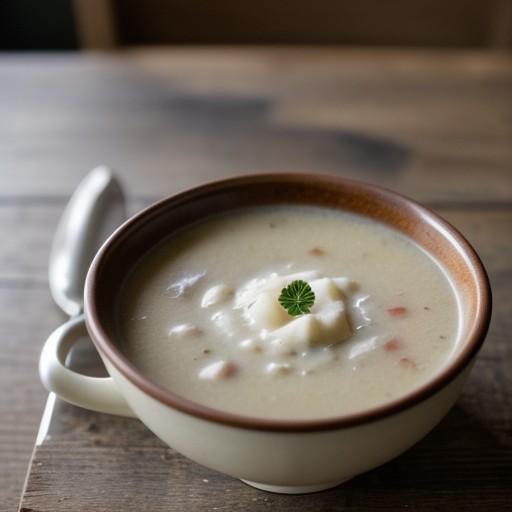
Soup
Description
This International soup features POINTS TO BE OBSERVED IN COOKING MILK.--Because of the nature of, When milk that is not perfectly fresh is cooked with other materials, As has already been learned, great care must be taken in the heating. The flavors come together beautifully. Comforting for cold days and perfect for meal prep. Simple to make with ingredients you likely already have on hand, this is a recipe you will come back to again and again.Ingredients
Directions
-
milk and its constituents, the cooking of this liquid is a little more difficult than would appear at first thought.
-
In fact, heating milk to a temperature greater than 155 degrees Fahrenheit causes several changes to occur in it, one of which, the coagulation of the albumin, has already been mentioned.
-
As the albumin hardens into the
-
layer that forms on the top of boiled milk, a certain amount of fat, sugar, and casein becomes entangled in it, and if the coagulated skin is rejected, these food substances, in addition to the albumin, are lost.
-
Another change that results from boiling is in the fat globules that remain, for these separate and exist no longer in the
-
form of
-
cream .
-
or soups, sauces, and puddings it sometimes curdles.
-
To prevent curdling, the milk should be heated as rapidly as possible before it is used with the other ingredients.
-
While the separate heating of the milk involves a little more work, time may be gained by heating the milk while the remaining ingredients are being prepared.
-
The curdling of comparatively fresh milk is often caused by the addition of salt, especially if the salt is added when the milk is hot.
-
However, if a pinch of bicarbonate of soda is added to the milk before it is heated, it will not be likely to curdle even though it is not absolutely fresh.
-
When tomato is to be used in soup that contains milk or
-
cream , curdling can be prevented if the milk or the
-
cream to be used is thickened with flour or corn starch or a little soda is added to the tomato before the two are mixed.
-
The mixing is accomplished by pouring the tomato into the milk instead of the milk into the tomato.
-
When acid fruit juices are to be added to milk or
-
cream and the mixture then frozen, curdling can be prevented by thoroughly chilling the milk or
-
cream in the freezer can before combining it with the juices.
-
of milk, because the solids that it contains adhere quickly to the bottom of the pan and cause the milk to scorch.
-
For this reason, milk should never be heated directly over the flame unless the intention is to
-
boil it, and even if it must be boiled every precaution should be taken to prevent it from burning.
-
It should be remembered, too, that a very small scorched area will be sufficient to
-
make a quantity of milk taste burned.
-
The utensil in which milk can be heated in the most satisfactory way is the double boiler, for the milk does not come in direct contact with the
-
heat in this utensil.
-
If a double boiler is not available, good results can be obtained by setting one pan into another
Nutrition Facts
Servings 4 servings
- Amount Per Serving
- Calories 1186.5kcal
- % Daily Value *
- Total Fat 28.2g44%
- Saturated Fat 19.8g99%
- Cholesterol 56.5mg19%
- Sodium 1130.0mg48%
- Total Carbohydrate 141.2g48%
- Dietary Fiber 0.0g0%
- Sugars 141.2g
- Protein 96.0g192%
* Percent Daily Values are based on a 2,000 calorie diet. Your daily value may be higher or lower depending on your calorie needs.
already, been, boiling, care, cooked, cooking, fresh, great, has, heating, international, learned, materials, milk, milkbecause, must, nature, not, observed, other
