

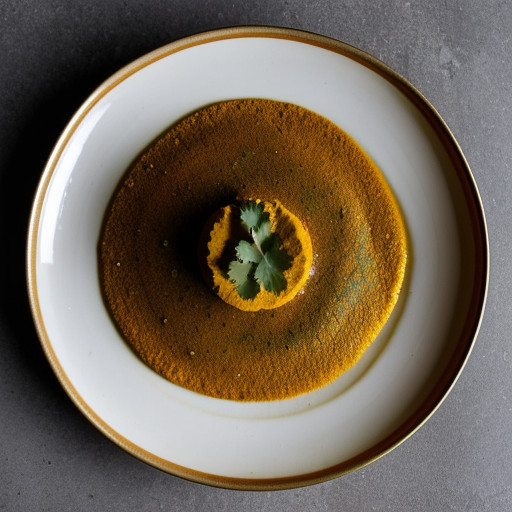
Urad Dal Ki Roti
Description
Urad Dal Ki Roti is a traditional Indian flatbread that offers a nutritious and flavorful twist on standard roti. Made by incorporating cooked black gram lentils into the dough, this bread delivers a hearty texture and a rich, earthy flavor profile. The addition of ginger, coriander, and turmeric provides aromatic warmth, while fresh green chilies and onions add a pleasant kick of heat and crunch. These rotis are incredibly versatile, serving as an excellent accompaniment to curries, dals, or simple yogurt sauces. They are naturally gluten-free if made with pure lentil flour, or can be mixed with wheat flour for a softer texture. This recipe is perfect for a wholesome vegan dinner or a satisfying lunch box item, offering a homemade taste that is both comforting and exciting.Ingredients
Directions
-
Rinse the urad dal thoroughly and soak in water for at least 4 hours or overnight.
-
Drain the soaked dal and boil in fresh water for 10-15 minutes until tender but not mushy.
-
Drain the boiled dal completely and let it cool to room temperature.
-
Coarsely grind the cooled dal into a paste using a food processor or blender.
-
Heat 2 tablespoons of ghee or oil in a pan over medium heat.
-
Fry the ground dal with turmeric, ginger powder, and coriander powder for 2-3 minutes until fragrant.
-
Cover the pan and cook on low heat for another 5 minutes until the dal mixture is dry and cooked through.
-
Remove from heat and let the dal mixture cool completely.
-
In a large mixing bowl, combine the cooled dal mixture with flour, minced green chilies, minced onion, and sliced coriander leaves.
-
Add salt to taste and gradually add water to form a stiff, non-sticky dough.
-
Knead the dough for 5-7 minutes until smooth and elastic.
-
Divide the dough into equal-sized balls, approximately the size of lemons.
-
On a floured surface, roll each ball out into a thin, round circle.
-
Heat a tawa or flat griddle over medium-high heat.
-
Place a rolled roti on the hot griddle and cook for 1-2 minutes until bubbles form.
-
Flip the roti and cook the other side for another minute, pressing gently with a spatula.
-
Optionally, fry the roti in a little oil for a crispier texture before serving.
-
Serve hot with curry, dal, or yogurt.
Nutrition Facts
Servings 1
- Amount Per Serving
- Calories 339.5kcal
- % Daily Value *
- Total Fat 5.3g9%
- Saturated Fat 0.7g4%
- Cholesterol 0.0mg0%
- Sodium 14.2mg1%
- Total Carbohydrate 69.8g24%
- Dietary Fiber 14.9g60%
- Sugars 4.4g
- Protein 10.5g21%
* Percent Daily Values are based on a 2,000 calorie diet. Your daily value may be higher or lower depending on your calorie needs.
Note
For a gluten-free version, use only urad dal flour (besan) instead of wheat flour, though the texture will be more brittle.
You can substitute ghee with vegetable oil or ghee for frying the dal mixture and cooking the rotis.
Leftover rotis can be stored in an airtight container at room temperature for up to 2 days, or refrigerated for up to a week. Reheat on a hot griddle to restore softness.
For extra flavor, add 1 teaspoon of crushed pomegranate seeds or a pinch of chili powder to the dough.
Ensure the dal mixture is completely cool before mixing with flour to prevent the dough from becoming too soft.
If the dough is too sticky, add more flour; if too dry, add a few teaspoons of water.
