

Zwieback, meaning “twice-baked” in German, is a traditional crispbread known for its light, airy texture and delicate sweetness. This recipe creates a fragrant yeast dough infused with vanilla, cinnamon, nutmeg, and mace, resulting in a sophisticated flavor profile that elevates it beyond simple crackers. The bread is first baked into soft loaves, then sliced and dried slowly in a low oven to achieve a shatteringly crisp consistency. It is perfect for serving with coffee, tea, or as a gentle, easy-to-digest snack. Homemade zwieback has a depth of flavor and crispness that store-bought versions cannot match, making it a rewarding project for any baker.
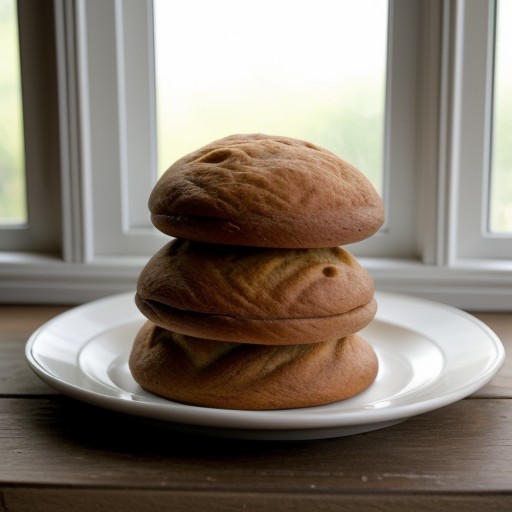
Zwieback
Description
Zwieback, meaning "twice-baked" in German, is a traditional crispbread known for its light, airy texture and delicate sweetness. This recipe creates a fragrant yeast dough infused with vanilla, cinnamon, nutmeg, and mace, resulting in a sophisticated flavor profile that elevates it beyond simple crackers. The bread is first baked into soft loaves, then sliced and dried slowly in a low oven to achieve a shatteringly crisp consistency. It is perfect for serving with coffee, tea, or as a gentle, easy-to-digest snack. Homemade zwieback has a depth of flavor and crispness that store-bought versions cannot match, making it a rewarding project for any baker.Ingredients
Directions
-
In a small bowl, combine the yeast with 1/2 teaspoon of sugar and warm water.
-
Set aside in a warm place until the mixture starts to foam, about 5 to 10 minutes.
-
In a small saucepan, mix the milk and the remaining 1/4 cup of sugar.
-
Add the 4 Tablespoons butter and heat until the butter has completely melted.
-
Transfer the mixture to a bowl and allow to cool to lukewarm.
-
In a large bowl or in the food processor, combine the cooled milk mixture with the yeast mixture.
-
Stir in the vanilla.
-
Add the mace, cinnamon, and nutmeg and mix well.
-
Beat in the egg.
-
Slowly add the flour, adding just enough to make a smooth dough that is not sticky.
-
If mixing by hand, knead in the last of the flour with your fingers until the dough becomes too stiff to stir.
-
Knead well for at least 5 minutes, forming the dough into a ball.
-
If using a food processor, pulse until the dough comes together in a ball.
-
Place the dough in a large, lightly oiled bowl and turn it over to coat all sides.
-
Cover with a damp towel and set the dough in a warm place until it has doubled in bulk, about 1-1/2 to 2 hours.
-
Punch the dough down and knead a few strokes.
-
Cover and allow the dough to double in size again, 30 to 45 minutes.
-
Punch the dough down and turn it out onto a lightly floured surface or pastry cloth.
-
Knead about 30 seconds to remove the air.
-
Divide the dough into 3 equal portions.
-
With your hands, roll each into a smooth cylinder or loaf about 2 inches thick and 9 inches long.
-
Place the loaves crosswise on a lightly greased or parchment-lined baking sheet, leaving at least 3 inches between the loaves.
-
Brush all exposed surfaces of each loaf with the melted butter.
-
Set the baking sheet in a warm place and let the loaves rise until doubled in bulk, about 30 minutes.
-
Preheat the oven to 375~F.
-
Bake the risen loaves for 25 to 30 minutes, or until the bottoms are reddish brown and make a hollow sound when thumped.
-
Allow the loaves to cool thoroughly on racks.
-
Preheat the oven to 200~F.
-
Cut the cooled loaves into 1/2-inch slices.
-
Place the slices flat on the baking sheet and allow them to dry out in the oven for 45 to 60 minutes, or until thoroughly dry.
-
Check occasionally and turn the slices over as they dry on one side.
-
When dry, raise the oven temperature to 300~F and bake for 10 to 20 minutes to brown the Zwieback slightly.
-
Cool on a rack.
Nutrition Facts
Servings 50
- Amount Per Serving
- Calories 0.2kcal
- % Daily Value *
- Total Fat 0.0g0%
- Saturated Fat 0.0g0%
- Cholesterol 0.0mg0%
- Sodium 0.2mg1%
- Total Carbohydrate 0.1g1%
- Dietary Fiber 0.0g0%
- Sugars 0.0g
- Protein 0.1g1%
* Percent Daily Values are based on a 2,000 calorie diet. Your daily value may be higher or lower depending on your calorie needs.
Note
Storage: If stored in an airtight container, Zwieback will keep almost indefinitely.
Timing: For convenience, make the bread over a two-day period. Bake the bread the first day and dry it the second.
Technique: The method for making Zwieback is quite different from that for most other crackers. "Zwieback" means "twice baked." First you bake a yeast bread, aromatically flavored with nutmeg, cinnamon, vanilla, and mace. Then you slice it and slowly dry the slices in a slow oven.
Expectations: Zwieback takes a lot of effort to make -- but it's worth every minute. Once you have tried homemade Zwieback, you will never again think of it as only a "baby cracker." The seductive aroma from baking this fragrant cracker will envelop your kitchen. The final result is a complexity of flavor that is nothing less than spectacular.
