

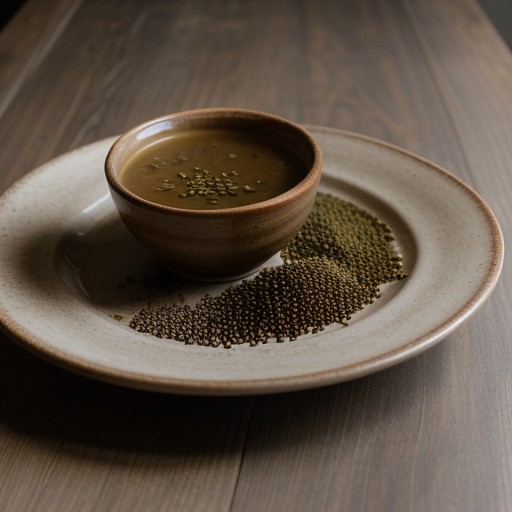
In vitulinam elixam (boiled veal)
Description
This historic Roman recipe transforms humble veal into a sophisticated feast through the power of bold spices and a complex sauce. The meat is gently boiled until fork-tender, absorbing the earthy warmth of cumin, celery seeds, and Liebstoeckl. It is then smothered in a vibrant reduction of honey, vinegar, and oil, enriched with savory Liquamen (or a wine-salt substitute). The result is a dish with a delightful contrast between the soft, yielding texture of the veal and the sharp, sweet, and tangy notes of the thickened sauce. Perfect for a historical reenactment dinner or a curious culinary adventure, this dish offers a glimpse into ancient Roman flavor profiles, balancing richness with acidity. Serve it warm for a memorable, authentic experience that bridges millennia of culinary tradition.Ingredients
Directions
-
Place the veal in a large pot and cover with water. Bring to a boil, then reduce heat and simmer gently for about 1 hour and 30 minutes, or until the meat is well done and tender.
-
In a separate pan, combine the honey, vinegar, oil, Liquamen (or wine and salt mixture), and spices (pepper, Liebstoeckl, cumin, and celery seeds).
-
Bring the sauce mixture to a boil and cook briefly to meld the flavors.
-
Thicken the sauce by stirring in the cornstarch, mixing until it reaches a smooth consistency.
-
Pour the prepared sauce over the cooked veal in the pot.
-
Simmer the veal in the sauce on low heat for an additional 10 minutes to allow the flavors to penetrate.
-
Serve warm.
Note
For the Liquamen substitute, you can use fish sauce for a more authentic Roman flavor profile if white wine is not preferred.
If Liebstoeckl (Maggy root) is unavailable, you may omit it or substitute with a small amount of horseradish for a similar pungent kick.
Store leftovers in an airtight container in the refrigerator for up to 3 days. Reheat gently on the stove to prevent the sauce from splitting.
roman cuisine, ancient recipes, veal, historical cooking, boiled meat, spiced sauce, liquamen, cumin, celery seed, liebstoeckl, honey vinegar sauce, traditional food, gourmet veal, antique recipes, sweet and sour
