

Transport yourself back to ancient Rome with these authentic Mustacei, savory rolls steeped in history and flavor. Made with a simple yet profound combination of wheat flour, grape must (young wine), and rendered lard, these rolls offer a tender, slightly tangy crumb. The addition of anise and cumin seeds provides a warm, aromatic depth, while grated sheep’s cheese adds a salty, creamy richness. Each roll is baked with a bay leaf, infusing the crust with a subtle herbal perfume. These rolls are perfect as a side dish for hearty stews or as a unique appetizer for a historical-themed dinner party. They represent the rustic elegance of Roman cuisine, balancing simplicity with complex, earthy flavors that have stood the test of time.
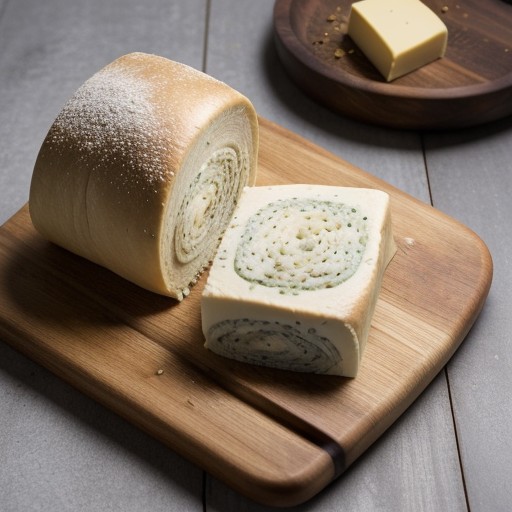
MUSTACEI (= Must Rolls)
Description
Transport yourself back to ancient Rome with these authentic Mustacei, savory rolls steeped in history and flavor. Made with a simple yet profound combination of wheat flour, grape must (young wine), and rendered lard, these rolls offer a tender, slightly tangy crumb. The addition of anise and cumin seeds provides a warm, aromatic depth, while grated sheep's cheese adds a salty, creamy richness. Each roll is baked with a bay leaf, infusing the crust with a subtle herbal perfume. These rolls are perfect as a side dish for hearty stews or as a unique appetizer for a historical-themed dinner party. They represent the rustic elegance of Roman cuisine, balancing simplicity with complex, earthy flavors that have stood the test of time.Ingredients
Directions
-
Preheat your oven to 180°C (350°F).
-
In a large mixing bowl, combine the wheat flour, anise seeds, and cumin seeds.
-
In a separate small bowl or jug, warm the grape juice slightly (if using yeast, dissolve the yeast in the warm grape juice and let it sit for 10 minutes until foamy).
-
Add the lard and grated cheese to the dry ingredients.
-
Pour the grape juice mixture into the flour mixture. Work everything together with your hands or a wooden spoon until a cohesive, reasonable dough forms. If using yeast, allow the dough to rest for 15-20 minutes to begin rising.
-
Divide the dough into 8 equal portions and form each into a roll.
-
Place each roll on a baking sheet. Underneath each roll, place one bay leaf to prevent sticking and add flavor during baking.
-
Bake for 30-35 minutes, or until the rolls are golden brown and cooked through.
-
Allow to cool slightly before serving.
Note
Using yeast dough makes the rolls softer and allows them to be kept longer without becoming hard.
Sheep's cheese is traditional and recommended for the best flavor profile, but other hard cheeses can be substituted.
Young wine or fresh grape must provides the authentic tang; regular grape juice is a suitable alternative if wine is not available.
