

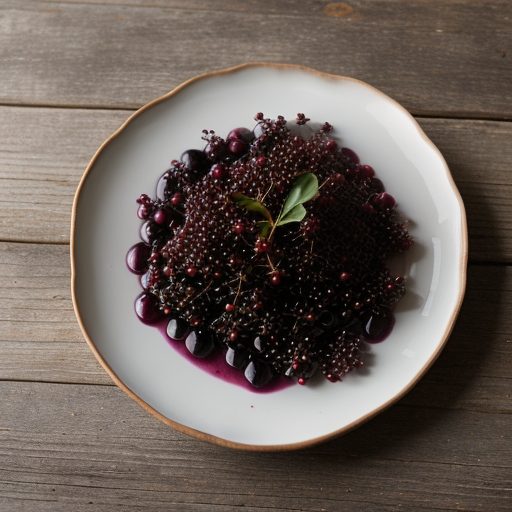
Elderberry Wine- Vin De Fleurs Du Sareau
Description
This traditional elderberry wine offers a rich, fruity profile with subtle tartness from fresh lemon juice. The process involves simmering ripe elderberries to extract their deep purple hue and complex flavor, followed by a gentle fermentation that transforms the sweet mash into a dry, sophisticated beverage. Perfect for special occasions or as a gift for fellow homebrewers, this recipe captures the essence of autumn harvests. The resulting wine is smooth and velvety, pairing beautifully with spicy dishes or rich desserts. While it requires patience during the fermentation and aging process, the reward is a unique, artisanal drink that cannot be found in stores. It is a wonderful project for those interested in preserving seasonal fruits and experimenting with natural fermentation techniques.Ingredients
Directions
-
Place the washed, ripe elderberries into a large, clean pot.
-
Mash the berries thoroughly using a potato masher or clean hands to break them open and release their juices.
-
Pour the water over the mashed elderberries and stir to combine.
-
Place the pot over medium-high heat and bring the mixture to a rolling boil.
-
Reduce the heat to low and let the mixture simmer gently for 15 minutes, stirring occasionally to prevent sticking.
-
Slowly stir in the sugar and fresh lemon juice until fully dissolved.
-
Continue to simmer the mixture for another 15 minutes to extract maximum flavor and color.
-
Remove the pot from the heat and allow the mixture to cool until it is warm to the touch, but not hot.
-
Strain the liquid through a coarse colander to remove large solids, then pass it through a fine tea strainer and finally through a clean cloth or cheesecloth into a large fermentation container (such as a food-grade plastic bucket or glass crock).
-
In a small cup, dissolve the yeast in lukewarm water and let it sit for 5-10 minutes until foamy.
-
Pour the activated yeast mixture into the strained elderberry liquid and stir gently to distribute evenly.
-
Cover the container tightly with a clean cloth or lid (if using an airlock, attach it now) to allow gases to escape while keeping contaminants out.
-
Store the container in a cool, dark place and allow the wine to ferment for 10 days, stirring once daily if possible.
-
After 10 days, carefully siphon or pour the fermenting wine into clean gallon jugs, leaving the sediment (dregs) at the bottom of the primary container.
-
Cork the jugs tightly and return them to a cool, dark location to age for 3 months.
-
After 3 months, siphon the wine off any new sediment that has formed into bottles for storage or serving.
Nutrition Facts
Servings 1
- Amount Per Serving
- Calories 117.1kcal
- % Daily Value *
- Total Fat 0.1g1%
- Saturated Fat 0.0g0%
- Cholesterol 0.0mg0%
- Sodium 0.8mg1%
- Total Carbohydrate 30.6g11%
- Dietary Fiber 0.7g3%
- Sugars 29.0g
- Protein 0.3g1%
* Percent Daily Values are based on a 2,000 calorie diet. Your daily value may be higher or lower depending on your calorie needs.
elderberry, wine, fermentation, homemade, berry, lemon, yeast, sugar, drink, alcoholic, preserves, harvest, autumn, rustic, natural, fruit wine
