

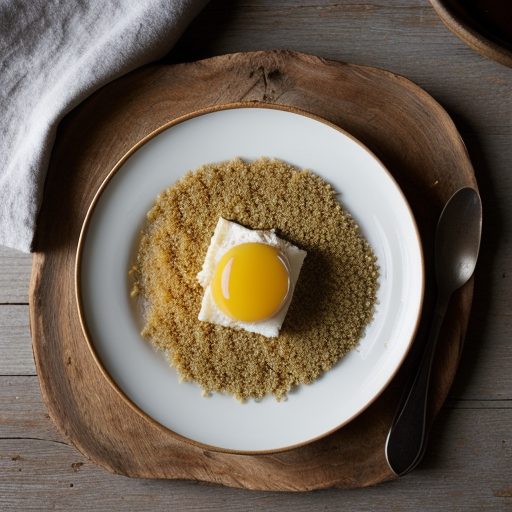
Fiskepudding Eller Fiskefarse
Description
This traditional Norwegian Fiskepudding is a savory white fish loaf with a unique, airy, and spongy texture. Made from fresh cod or haddock blended with cream and a touch of cornstarch, it bakes gently in a water bath to achieve a smooth, velvety consistency. It is typically served hot with melted butter or a rich shrimp sauce, making it a comforting centerpiece for family dinners. Alternatively, the mixture can be chilled and rolled into fish balls for a versatile appetizer. This dish highlights the pure flavor of fresh seafood without heavy spices.Ingredients
Directions
-
Preheat oven to 350F (177C).
-
Spread the bottom and sides of a 1.5-quart loaf pan or mold with 1 tablespoon of soft butter.
-
Sprinkle the mold with 2 tablespoons of dry bread crumbs, ensuring even distribution, and tap out any excess.
-
Cut the skinned and boned fish into small pieces.
-
Place a few pieces of fish in a blender along with a couple of tablespoons of the combined light and heavy creams to facilitate pureeing.
-
Blend at high speed, stopping after the first few seconds to scrape down the sides of the jar with a spatula.
-
Continue blending in batches until all the fish is a smooth puree, adding more cream as needed to achieve a smooth consistency.
-
Transfer the pureed fish to a large mixing bowl.
-
Beat in the salt and cornstarch.
-
Slowly add any remaining cream, beating vigorously until the mixture is very light and fluffy.
-
Pour the mixture into the prepared mold.
-
Bang the mold sharply on the counter to settle the pudding and eliminate air pockets.
-
Smooth the top with a spatula.
-
Butter a sheet of tin foil and seal it tightly around the top of the mold.
-
Place the mold in a larger baking pan.
-
Pour boiling water into the baking pan until it comes 3/4 of the way up the sides of the mold.
-
Bake for 1 to 1 1/4 hours, regulating the heat so the water simmers but does not boil vigorously, which would cause holes in the pudding.
-
The pudding is done when the top is firm to the touch and a toothpick inserted in the middle comes out clean.
-
Remove the mold from the oven and let it rest for 5 minutes.
-
Pour off any excess liquid from the mold.
-
Run a sharp knife around the inside edge of the mold.
-
Place a heated platter on top of the mold, hold them together, and quickly invert to release the pudding.
-
Clear any liquid from the platter with paper towels and serve hot.
Nutrition Facts
Servings 6
- Amount Per Serving
- Calories 778.5kcal
- % Daily Value *
- Total Fat 18.0g28%
- Saturated Fat 8.5g43%
- Cholesterol 318.3mg107%
- Sodium 651.1mg28%
- Total Carbohydrate 22.8g8%
- Dietary Fiber 2.1g9%
- Sugars 0.2g
- Protein 126.3g253%
* Percent Daily Values are based on a 2,000 calorie diet. Your daily value may be higher or lower depending on your calorie needs.
Note
To make fish balls: Prepare the fish puree as described. Chill the pureed fish in the mixing bowl for about 30 minutes. Roll about 1 tablespoon of the mixture in your hands at a time to form balls. Fry or bake according to preference.
Serving suggestion: This pudding is traditionally served hot with melted butter or a Norwegian shrimp sauce. Cold and sliced, it is also excellent as part of an open-faced sandwich.
For an authentic texture, use absolutely fresh white fish. The key to a smooth, spongy consistency is blending the fish with enough cream to make it silky, but not so much that it becomes watery.
Ensure the water bath simmers gently. Boiling water will cause the pudding to develop holes and become tough.
