

This recipe creates a foundational potato bread starter, perfect for those who crave the soft, slightly sweet crumb characteristic of traditional European loaves. By incorporating raw grated potato directly into the mix, you introduce natural starches and moisture that keep the bread tender for days. The combination of warm water and a hint of sugar activates the flavors, while the white flour provides structure. This starter is ideal for making rolls, sandwiches, or a rustic loaf to accompany any meal. It’s a simple, vegan-friendly base that elevates homemade bread with minimal effort and maximum flavor.
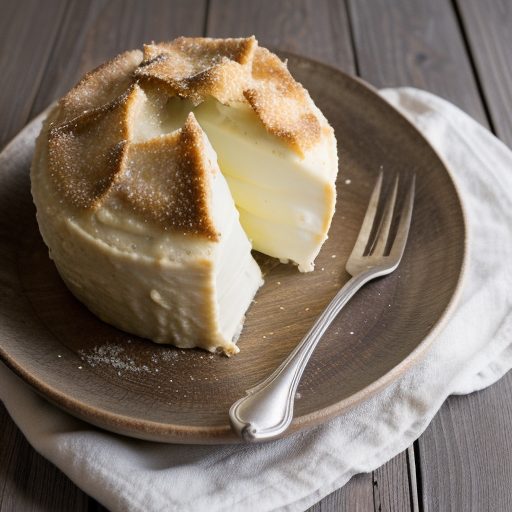
Grated Raw Potato Starter
Description
This recipe creates a foundational potato bread starter, perfect for those who crave the soft, slightly sweet crumb characteristic of traditional European loaves. By incorporating raw grated potato directly into the mix, you introduce natural starches and moisture that keep the bread tender for days. The combination of warm water and a hint of sugar activates the flavors, while the white flour provides structure. This starter is ideal for making rolls, sandwiches, or a rustic loaf to accompany any meal. It&# 226;ÂÂs a simple, vegan-friendly base that elevates homemade bread with minimal effort and maximum flavor.Ingredients
Directions
-
Grate one medium raw potato using the fine side of a box grater.
-
Combine warm water, sugar, salt, and white flour in a large mixing bowl.
-
Stir the mixture until the dry ingredients are fully dissolved and smooth.
-
Fold in the grated potato until evenly distributed throughout the batter.
-
Cover the bowl and let the mixture rest for 10 minutes before using in your bread recipe.
Nutrition Facts
Servings 6
- Amount Per Serving
- Calories 703.4kcal
- % Daily Value *
- Total Fat 1.9g3%
- Saturated Fat 0.4g2%
- Cholesterol 0.0mg0%
- Sodium 9756.6mg407%
- Total Carbohydrate 147.8g50%
- Dietary Fiber 6.0g24%
- Sugars 3.4g
- Protein 19.0g38%
* Percent Daily Values are based on a 2,000 calorie diet. Your daily value may be higher or lower depending on your calorie needs.
Note
This starter is not a finished product; it should be used immediately in a bread recipe that calls for a potato dough base.
Ensure the water is warm (about 105-110ðF) to help dissolve the sugar and salt, but not hot enough to cook the potato.
For best results, use a russet or baking potato which has a higher starch content, contributing to a lighter crumb.
If the starter sits for more than 30 minutes, the potato may oxidize and turn slightly brown; this is harmless but affects appearance.
