

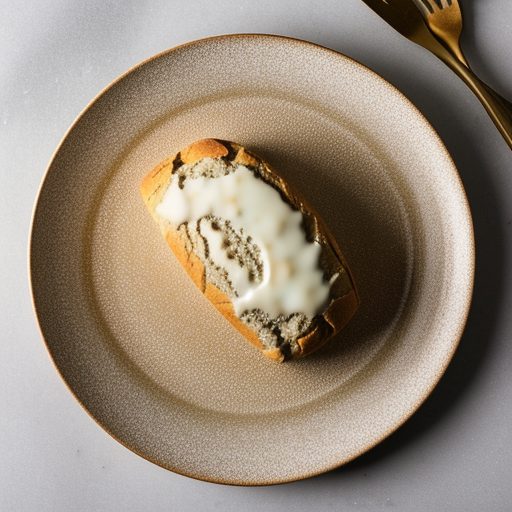
Greek Tsoureki ( Easter Bread)
Description
This traditional Greek Easter bread, known as Tsoureki, is a rich, soft, and aromatic sweet loaf. Infused with the bright zest of orange and the deep floral notes of mahleb or rose water (often added), it has a tender crumb and a glossy, golden crust. The dough is enriched with butter, eggs, and milk, making it incredibly soft and moist. Beautifully braided, it serves as both a decorative centerpiece and a delicious treat. Enjoy it sliced thin with coffee for breakfast, or as a festive dessert during Easter celebrations. Its sweet, comforting flavor makes it a cherished holiday staple.Ingredients
Directions
-
In a small saucepan, combine the milk and butter over medium heat. Heat until the butter melts and the milk is scalded (just below boiling).
-
Pour the warm milk and butter mixture into a large mixing bowl. Allow it to cool until lukewarm (about 105-110&# 194;°F).
-
Sprinkle the yeast over the lukewarm mixture. Stir in 1/2 cup of sugar until dissolved.
-
Add the salt, beaten eggs, 3 tablespoons of orange juice, and the grated orange rind. Stir continuously.
-
Gradually add half of the sifted flour, stirring until the mixture begins to bubble and thicken.
-
Add the remaining flour gradually by hand. The dough will be sticky but should not be stiff.
-
Turn the dough onto a lightly floured surface. Knead for 15 minutes until smooth and elastic.
-
Place the dough in a large buttered bowl. Brush the top with melted butter. Cover with a damp cloth or plastic wrap.
-
Let the dough rise in a warm area until doubled in bulk, approximately 2 to 3 hours.
-
Punch the dough down to release air. Divide the dough into 2 equal parts.
-
Divide each half into 3 equal pieces. Roll each piece into a long rope, about 10 inches long and 2 inches thick.
-
Braid the three ropes together tightly. Pinch the ends to seal. Repeat with the other half of the dough to make a second loaf.
-
Place the braided loaves in large baking pans or on a parchment-lined cookie sheet. Cover and let rise until doubled, approximately 1 1/2 hours.
-
Preheat the oven to 375ðF (190ðC).
-
Bake the loaves for 20 minutes.
-
Remove from the oven. Brush the tops and sides generously with the remaining orange juice mixed with the remaining sugar and slivered almonds (if using).
-
Return to the oven and bake for another 15 to 20 minutes, until the color is a rich, shiny chestnut brown.
-
Let cool on a wire rack before slicing.
Nutrition Facts
Servings 2
- Amount Per Serving
- Calories 1647.5kcal
- % Daily Value *
- Total Fat 29.0g45%
- Saturated Fat 16.5g83%
- Cholesterol 65.7mg22%
- Sodium 5231.4mg218%
- Total Carbohydrate 302.4g101%
- Dietary Fiber 10.5g42%
- Sugars 36.0g
- Protein 38.0g76%
* Percent Daily Values are based on a 2,000 calorie diet. Your daily value may be higher or lower depending on your calorie needs.
Note
For the glaze, mix the remaining orange juice, remaining sugar, and 1/4 cup slivered almonds in a small bowl. Brush this mixture onto the loaves after the initial 20 minutes of baking.
If you wish to include traditional red-dyed hard-boiled eggs, tuck them into the center of the braid before the final rise. Note that these eggs are for decoration only and are inedible after baking.
Some regional variations include a smaller braid placed on top of the larger loaf for a more elaborate presentation.
Mahleb or rose water can be added to the dough for authentic flavor, though not listed in the base ingredients.
Store leftover tsoureki wrapped in plastic wrap or in an airtight container at room temperature for up to 3 days.
