

This recipe guides you through making fresh Paneer and its softer cousin, Channa, from scratch using simple pantry staples. Unlike store-bought versions, homemade Indian cheese offers a superior fresh, milky flavor and a tender, non-melting texture perfect for Indian curries, kebabs, or salads. The process involves curdling milk with buttermilk and straining the solids. Channa is the soft, moist curd drained for an hour, while Paneer is pressed under weight for several hours to form firm cubes. It’s an incredibly satisfying vegetarian project that yields a superior ingredient for dishes like Palak Paneer or Malai Kofta. The leftover whey can be saved for cooking lentils or soups, ensuring zero waste.
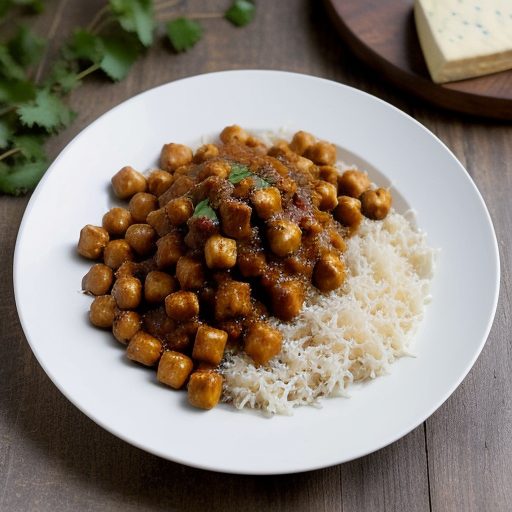
Indian Cheese – Paneer & Channa
Description
This recipe guides you through making fresh Paneer and its softer cousin, Channa, from scratch using simple pantry staples. Unlike store-bought versions, homemade Indian cheese offers a superior fresh, milky flavor and a tender, non-melting texture perfect for Indian curries, kebabs, or salads. The process involves curdling milk with buttermilk and straining the solids. Channa is the soft, moist curd drained for an hour, while Paneer is pressed under weight for several hours to form firm cubes. It&# 226;ÂÂs an incredibly satisfying vegetarian project that yields a superior ingredient for dishes like Palak Paneer or Malai Kofta. The leftover whey can be saved for cooking lentils or soups, ensuring zero waste.Ingredients
Directions
-
Pour the whole milk into a heavy 4-quart saucepan.
-
Bring the milk to a boil over medium-high heat, stirring occasionally to prevent scorching.
-
Reduce heat to medium and stir in the cultured buttermilk.
-
Watch closely as the curds form a mass, surrounded by clear, pale-yellow whey.
-
Remove the pan from heat and let it stand, partially covered, for 10 minutes.
-
Line a colander with a double layer of dampened cheesecloth and set it in the sink or over a bowl to catch whey.
-
Gently pour the curds and whey into the cheesecloth.
-
Gather the corners of the cloth, twist once or twice, and tie securely with kitchen twine.
-
For Channa: Hang the cheesecloth bag over the faucet or place in the colander and refrigerate for 1 hour until it thickens like yogurt.
-
For Paneer: Snugly wrap the cheesecloth around the curds to form a flat "cake."
-
Place the wrapped curds on a cookie sheet, cover with another sheet, and add weights (such as cans of tomatoes or a pitcher of water).
-
Let the paneer press for 2 to 4 hours until firm.
-
Unwrap the cheese. Use immediately or store in the refrigerator.
Nutrition Facts
Servings 6
- Amount Per Serving
- Calories 93.6kcal
- % Daily Value *
- Total Fat 2.2g4%
- Saturated Fat 1.5g8%
- Cholesterol 4.5mg2%
- Sodium 99.0mg5%
- Total Carbohydrate 11.9g4%
- Dietary Fiber 0.0g0%
- Sugars 11.9g
- Protein 7.7g16%
* Percent Daily Values are based on a 2,000 calorie diet. Your daily value may be higher or lower depending on your calorie needs.
Note
Storage: Channa can be stored in the refrigerator for up to 4 days. Pressed Paneer can be stored for up to 5 days.
Whey Usage: Do not discard the whey. It is excellent for cooking lentils, pilafs, or adding to soups for extra nutrition and flavor. It can also be used as the buttermilk starter for your next batch of paneer.
Weather Tip: If the weather is warm, keep the draining cheese in the refrigerator to prevent spoilage.
Yield: This recipe yields approximately 10 ounces of finished cheese.
Weights: When pressing paneer, ensure the weight is distributed evenly. Canned goods or a heavy cast-iron skillet work well.
