

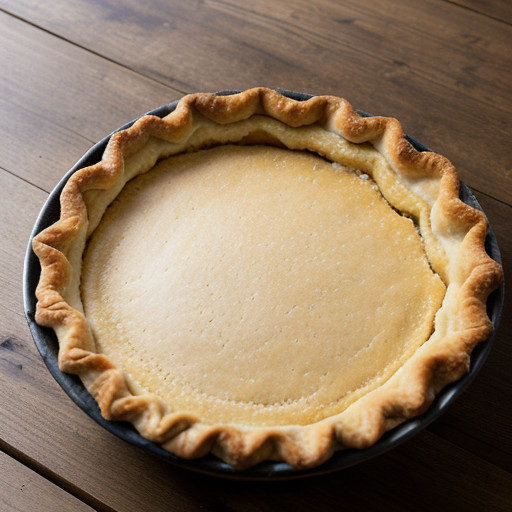
Perfect Pie Crust
Description
This classic pie crust recipe delivers a shatteringly flaky texture and rich buttery flavor, making it the perfect vessel for both sweet and savory fillings. The key to success lies in keeping the ingredients cold and handling the dough as little as possible to prevent gluten development. By combining chilled unsalted butter with a touch of shortening or margarine, you achieve a balance of tenderness and structural integrity. The dough is easy to roll out and fits neatly into standard pie plates. Whether you are crafting a traditional apple pie, a creamy pumpkin dessert, or a hearty chicken pot pie, this crust ensures a delicious, golden-brown finish every time. It is a reliable staple for home bakers looking to elevate their baking game with professional-quality results.Ingredients
Directions
-
In a large bowl, sift together the flour and salt.
-
Cut the chilled butter and margarine into small 1 tablespoon-sized pieces.
-
Add the fat pieces to the flour mixture.
-
Using a pastry cutter, work the fat into the flour until the mixture resembles coarse meal.
-
Gradually add ice water, one tablespoon at a time, pressing the pastry together until it forms a cohesive ball.
-
Wrap the dough in plastic wrap and refrigerate for at least 1 hour.
-
If the dough has been chilled for a long time, let it sit at room temperature for 15 minutes before rolling.
-
Lightly flour a pastry board, marble counter, or clean kitchen surface.
-
Divide the chilled dough in half.
-
Pat each piece of dough into a flat round disk.
-
Lightly flour your rolling pin.
-
Roll the dough in one direction only, turning it continually to prevent sticking, until it is slightly larger than your pie plate and about 1/8-inch thick.
-
Fold the rolled dough circle in half to lift it easily.
-
Unfold the dough and gently fit it into the pie plate, allowing it to hang evenly over the edges.
-
Do not trim the edges yet; set aside.
-
Fill the bottom crust with your desired pie filling.
-
Roll out the second piece of dough in the same manner as the bottom crust.
-
Fold the top crust circle in half and cut small decorative vents with a sharp knife.
-
Place the folded top crust over the pie and unfold it.
-
Press the top and bottom pastry edges together to seal.
-
Trim the excess edges with scissors, leaving a 1/2-inch overhang.
-
Fold the bottom overhang over the top edge and press firmly to seal.
-
Crimp the rim using your fingers or the tines of a fork.
Nutrition Facts
Servings 2
- Amount Per Serving
- Calories 825.4kcal
- % Daily Value *
- Total Fat 45.6g71%
- Saturated Fat 25.3g127%
- Cholesterol 91.4mg31%
- Sodium 2440.7mg102%
- Total Carbohydrate 90.3g31%
- Dietary Fiber 3.2g13%
- Sugars 0.4g
- Protein 12.3g25%
* Percent Daily Values are based on a 2,000 calorie diet. Your daily value may be higher or lower depending on your calorie needs.
Note
Keep the fat cold: If using vegetable shortening, ensure it is chilled before starting. Cold fat creates steam pockets during baking, resulting in a flaky crust.
Handle gently: Work the pastry as little as possible to avoid overdeveloping gluten, which can make the crust tough. Add only as much water as necessary to bring the dough together.
Storage: The dough can be wrapped tightly and frozen for up to 3 months. Thaw in the refrigerator before rolling.
Rolling tip: If the dough becomes too soft or sticky while rolling, return it to the refrigerator for 10-15 minutes to firm up.
Variations: For a sweeter crust suitable for fruit pies, you can add 1-2 tablespoons of sugar to the flour mixture.
