Servings 1
- Amount Per Serving
- % Daily Value *
- Total Fat 8g13%
- Saturated Fat 2g10%
- Cholesterol 45mg15%
- Sodium 450mg19%
- Total Carbohydrate 2g1%
- Protein 18g36%
* Percent Daily Values are based on a 2,000 calorie diet. Your daily value may be higher or lower depending on your calorie needs.
Note
Gelatin Addition: If the natural collagen from the skin and connective tissue is insufficient to firm up the jelly, add 1 teaspoon of gelatin softened in 1 tablespoon of water for every 2 cups of liquid before pouring into molds. This ensures a firmer, sliceable texture.
Cleaning Instructions: Proper cleaning is crucial. Ensure all brains, eyes, and ears are removed before cooking. Skinning the head helps reduce excessive fat and improves the final texture. Rinse thoroughly after brining to prevent the final product from being too salty.
Storage: Venison Head Cheese must be kept refrigerated at all times. It will keep for up to 1-2 weeks in the refrigerator. For longer storage, it can be frozen, though the texture may change slightly upon thawing. Always serve chilled.
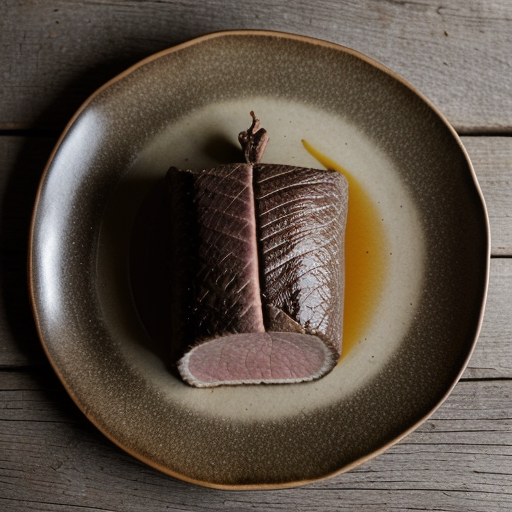
Serving Suggestions: Serve sliced thinly on rye or sourdough bread with strong mustard, pickles, or chutney. It makes an excellent appetizer or light lunch.
Source Attribution: Recipe adapted from "Northern Cookbook" by Indian and Northern Affairs Canada.
Keywords:
venison, head cheese, terrine, indigenous, canadian, northern, game, collagen, jelly, simmered, preserved, traditional, appetizer, no-waste, savory, chilled, spiced, venison head, northern cookbook, protein