

This primary sourdough batter serves as the essential base for authentic, artisan-style breads. Combining active sourdough starter, simple white flour, and warm water, it develops a complex, tangy flavor profile through a long, slow fermentation process. The resulting batter is smooth, elastic, and rich in natural yeasts, perfect for shaping into loaves or rolls. Ideal for home bakers seeking that classic, rustic texture and deep flavor without commercial yeast. This versatile mixture is best when given ample time to proof, allowing the gluten to develop and the flavors to mature. It pairs beautifully with butter, olive oil, or as a side to hearty soups and stews. A staple in any serious baker’s repertoire for consistent, delicious results.
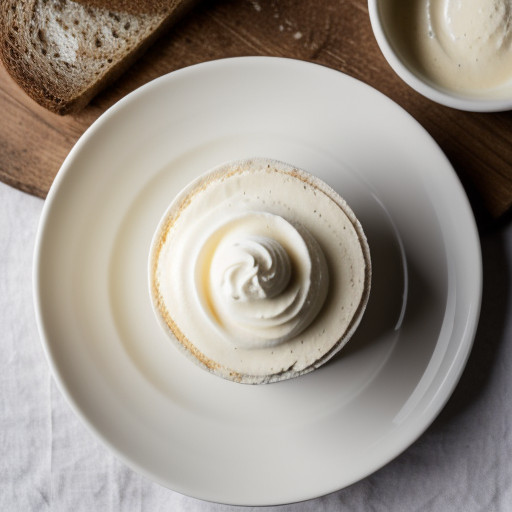
Primary Sourdough Batter B
Description
This primary sourdough batter serves as the essential base for authentic, artisan-style breads. Combining active sourdough starter, simple white flour, and warm water, it develops a complex, tangy flavor profile through a long, slow fermentation process. The resulting batter is smooth, elastic, and rich in natural yeasts, perfect for shaping into loaves or rolls. Ideal for home bakers seeking that classic, rustic texture and deep flavor without commercial yeast. This versatile mixture is best when given ample time to proof, allowing the gluten to develop and the flavors to mature. It pairs beautifully with butter, olive oil, or as a side to hearty soups and stews. A staple in any serious baker's repertoire for consistent, delicious results.Ingredients
Directions
-
Remove your active sourdough starter from the refrigerator and give it a thorough stir to recombine any separated liquid.
-
Measure out exactly one cup of the stirred starter into a large mixing bowl, at least 4-quart capacity.
-
Return the remaining starter to its container and place it back in the refrigerator to maintain for future use.
-
Pour the warm water over the starter in the mixing bowl and stir until fully integrated and smooth.
-
Gradually add the white flour to the liquid mixture, stirring continuously with a spoon or whisk to prevent lumps from forming.
-
Continue stirring vigorously for 4 to 5 minutes until the batter is completely smooth, elastic, and free of any dry flour pockets.
-
Cover the bowl tightly with plastic wrap or a damp cloth to prevent a skin from forming.
-
Place the covered bowl in a warm, draft-free area to proof for approximately 12 hours.
-
If a dry crust forms on top during proofing, simply stir it back into the batter along with any accumulated liquid.
-
After the proofing period, stir the batter thoroughly to redistribute the yeast and gluten.
-
Reserve exactly one cup of the finished batter to replenish your starter container.
-
Stir the reserved starter well and return it to the refrigerator for your next baking session.
-
The remaining batter is now ready to be used for baking bread or other sourdough recipes.
Nutrition Facts
Servings 1
- Amount Per Serving
- Calories 474.6kcal
- % Daily Value *
- Total Fat 1.9g3%
- Saturated Fat 0.3g2%
- Cholesterol 0.0mg0%
- Sodium 342.6mg15%
- Total Carbohydrate 96.0g32%
- Dietary Fiber 3.6g15%
- Sugars 1.5g
- Protein 14.4g29%
* Percent Daily Values are based on a 2,000 calorie diet. Your daily value may be higher or lower depending on your calorie needs.
