

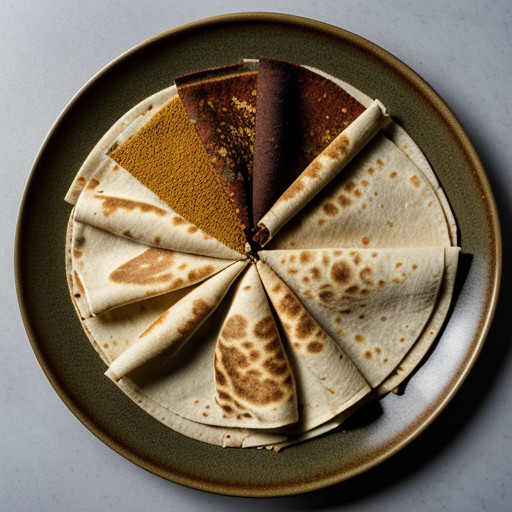
South Indian Dosas
Description
These authentic South Indian dosas are crispy on the edges and soft in the center, offering a delightful textural contrast. Made from a simple batter of urad dal (black gram) and long-grain rice, the mixture ferments to develop a subtle tangy flavor that pairs beautifully with spicy chutneys and sambar. This traditional dish is naturally vegan and vegetarian, making it a versatile option for various dietary needs. Whether you are hosting a weekend brunch or looking for a quick weekday meal, these dosas bring a taste of home-style Indian cooking to your table. The process requires patience for fermentation, but the result is a rewarding, restaurant-quality dish that is easy to customize with your favorite fillings or toppings.Ingredients
Directions
-
Pick over and wash the urad dal thoroughly.
-
Soak the washed dal in 2 cups of water for 8 hours.
-
Wash the rice and soak it in 3 cups of water for 8 hours.
-
Drain the dal and blend it in a food processor or blender for 2 minutes, scraping down the sides occasionally.
-
Add 2 tablespoons of water and process for another minute.
-
Add another 2 tablespoons of water and process for one more minute.
-
Continue adding water until you have reached a total of 3/4 cup, ensuring the mixture is light and fluffy.
-
Transfer the dal batter to a bowl and set aside.
-
Drain the rice and blend it in the food processor or blender.
-
Add 3/4 cup of water, 2 tablespoons at a time, blending until the mixture resembles fine grains of semolina.
-
Combine the rice mixture with the dal mixture in a large bowl.
-
Cover the bowl and let the batter ferment in a warm place for 16 to 20 hours, until it is frothy.
-
Stir in the salt and ground cumin seeds until well combined.
-
Heat a non-stick skillet or dosa tawa over medium-low heat.
-
Pour 1 teaspoon of vegetable oil into the skillet and tilt to coat the surface evenly.
-
Pour 1/2 cup of the batter onto the center of the hot skillet.
-
Use a large spoon to spread the batter in a spiral motion from the center outward, forming a thin pancake about 6-7 inches in diameter.
-
Cook for 2 minutes, or until the edges start to lift and the bottom is golden brown.
-
Flip the dosa and cook for another 2 minutes on the other side until lightly browned and crisp.
-
Remove the dosa to a plate and repeat with the remaining batter, adding small amounts of oil to the skillet as needed to keep it greased.
-
Serve warm with your choice of chutney, sambar, or pickles.
Nutrition Facts
Servings 8
- Amount Per Serving
- Calories 346.7kcal
- % Daily Value *
- Total Fat 30.4g47%
- Saturated Fat 4.6g23%
- Cholesterol 0.0mg0%
- Sodium 3657.0mg153%
- Total Carbohydrate 17.2g6%
- Dietary Fiber 0.4g2%
- Sugars 0.0g
- Protein 1.8g4%
* Percent Daily Values are based on a 2,000 calorie diet. Your daily value may be higher or lower depending on your calorie needs.
Note
Fermentation is key to the flavor and texture of dosas. In colder climates, you may need to place the batter in a warm oven with the light on or wrap the bowl in a towel to encourage fermentation. The batter should double in volume and become airy.
For crispier dosas, ensure the skillet is hot enough before pouring the batter, and do not flip too early. Let the bottom develop a good golden crust.
You can store leftover batter in the refrigerator for up to 2 days. Let it come to room temperature before cooking.
Traditional dosas are served with coconut chutney and sambar, but they also pair well with spicy tomato chutney or a simple mint-cilantro relish.
If you prefer a softer dosa, you can add a little more water to the batter. For a thicker masala dosa, add a spiced potato filling before folding.
