

This Tan Tan Noodle recipe delivers the bold, complex flavors of Sichuan cuisine in a quick and satisfying bowl. The sauce is a harmonious blend of numbing Sichuan peppercorns, spicy chili bean paste, and creamy sesame or peanut butter. The preserved vegetables add a unique umami depth and slight crunch that elevates the dish beyond ordinary noodle soups. It’s perfect for a cozy weeknight dinner or a flavorful lunch. While traditional versions may use meat, this vegan-friendly adaptation relies on the robust aromatics and rich sauce to create a hearty meal that is easy to prepare with pantry staples.
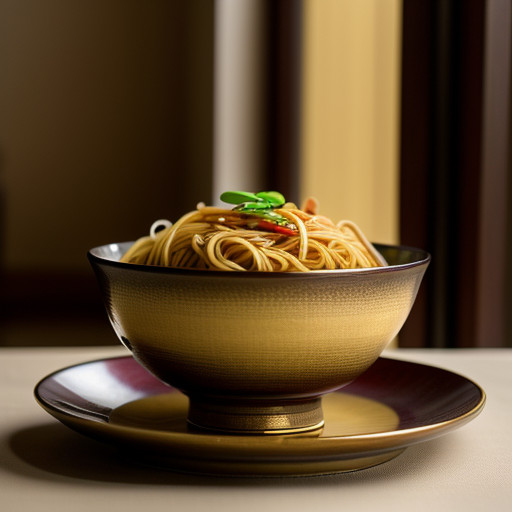
Tan Tan Noodles
Description
This Tan Tan Noodle recipe delivers the bold, complex flavors of Sichuan cuisine in a quick and satisfying bowl. The sauce is a harmonious blend of numbing Sichuan peppercorns, spicy chili bean paste, and creamy sesame or peanut butter. The preserved vegetables add a unique umami depth and slight crunch that elevates the dish beyond ordinary noodle soups. It's perfect for a cozy weeknight dinner or a flavorful lunch. While traditional versions may use meat, this vegan-friendly adaptation relies on the robust aromatics and rich sauce to create a hearty meal that is easy to prepare with pantry staples.Directions
-
Rinse the Sichuan preserved vegetables and chop them finely.
-
Heat a wok or large frying pan over high heat and add the peanut oil.
-
Add the preserved vegetables, minced garlic, and grated ginger to the hot oil. Stir-fry for 1 minute until fragrant.
-
Add the rice wine, chili bean sauce, sesame paste (or peanut butter), dark soy sauce, and sugar to the wok.
-
Pour in the stock and stir well to combine all ingredients into a smooth sauce.
-
Reduce the heat to low and simmer the sauce for 3 minutes, allowing the flavors to meld.
-
While the sauce simmers, bring a large pot of water to a boil.
-
Cook the noodles in the boiling water for 2 minutes if fresh, or 5 minutes if dried, according to package instructions.
-
Drain the noodles well in a colander.
-
Divide the cooked noodles into two individual serving bowls.
-
Ladle the hot sauce and preserved vegetables over the noodles in each bowl.
-
Serve immediately while hot.
Nutrition Facts
Servings 4 servings
- Amount Per Serving
- Calories 450kcal
- % Daily Value *
- Total Fat 15g24%
- Saturated Fat 2.5g13%
- Sodium 1200mg50%
- Total Carbohydrate 65g22%
- Dietary Fiber 3g12%
- Sugars 8g
- Protein 12g24%
* Percent Daily Values are based on a 2,000 calorie diet. Your daily value may be higher or lower depending on your calorie needs.
