

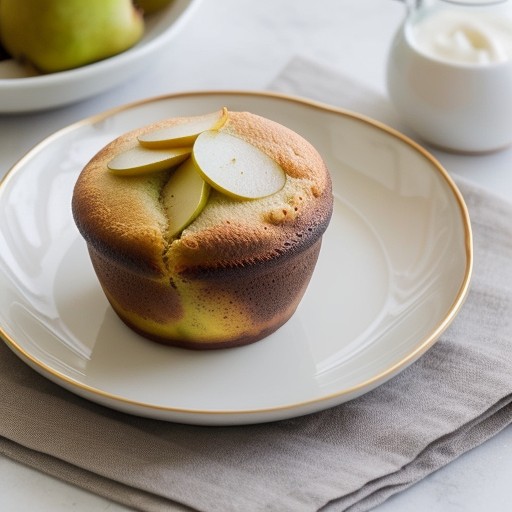
Patina de piris (pear soufflee)
Description
This ancient Roman-inspired Patina de Piris transforms humble pears into a sophisticated, savory-sweet custard. The dish balances the natural sweetness of ripe pears with the deep, tangy richness of Passum (a reduced grape must) and the umami punch of Liquamen or salt. Aromatics like cumin and black pepper provide a warm, earthy backbone that prevents the dish from being cloying. The texture is reminiscent of a dense, flavorful soufflé or baked custard, set by eggs and baked gently until just firm. It is an extraordinary centerpiece for a historical dinner party or a unique twist on traditional fruit desserts, offering a glimpse into the complex flavor profiles of antiquity. Best served warm, it invites curiosity and conversation.Ingredients
Directions
-
Preheat your oven to 350°F (175°C). Grease a casserole dish or baking dish with a little oil.
-
Cook the peeled, cored pears until tender (by boiling, steaming, or baking), then mash them into a smooth puree.
-
In a large bowl, combine the mashed pears with honey, Passum, Liquamen (or salt), oil, ground cumin, and freshly ground black pepper. Mix thoroughly.
-
Beat the eggs lightly and fold them into the pear mixture until well combined.
-
Pour the mixture into the prepared casserole dish.
-
Bake for approximately 30 minutes on low to moderate heat, or until the center is just set but still slightly jiggly.
-
Remove from the oven and let stand for 5 minutes. Sprinkle with additional fresh ground pepper before serving.
Note
If Passum (Roman grape must) is unavailable, substitute with a high-quality sweetened red wine reduction or a mixture of honey and red wine vinegar.
Liquamen was a fermented fish sauce. For a modern substitute, use fish sauce, soy sauce, or simply salt as indicated.
This dish can be served warm or at room temperature. Store leftovers covered in the refrigerator for up to 2 days.
For a richer texture, you can add a splash of cream or milk to the egg mixture.
pear soufflee, roman cuisine, patina de piris, ancient recipe, pear custard, passum, liquamen, historical cooking, cumin dessert, pear casserole, savory sweet, roman pastry, antique recipe, fruit bake, mediterranean
