

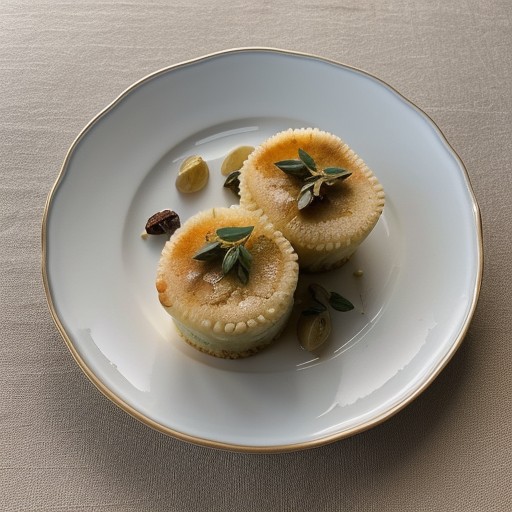
PATINA DE PISCICULIS (Soufflee of Small Fishes)
Description
This Patina de Pisciculis is a fascinating glimpse into ancient Roman cuisine, blending salty, savory fish with sweet dried fruit and pungent herbs. The dish features small boiled fish or sardines nestled in a rich, thickened sauce made from olive oil, diced onions, and the historic fermented fish sauce, liquamen. The addition of Liebstoeckl (magnetic herb) and oregano provides an earthy, aromatic backbone, while the sultanas offer bursts of sweetness that cut through the brine. It is a textural delight, with the tender fish contrasting against the chewy raisins. Perfect for adventurous home cooks looking to recreate historical flavors, this dish is best served warm as a hearty main course, accompanied by coarse bread to soak up the flavorful sauce.Ingredients
Directions
-
Combine the raisins, pepper, Liebstoeckl, oregano, diced onions, oil, and Liquamen (or salt) in a large casserole dish or heavy-bottomed pot.
-
Place the pot over medium heat and simmer the mixture, stirring occasionally, until the onions are soft and the flavors have melded together, about 15-20 minutes.
-
Gently fold the boiled small fish fillets or whole sardines into the simmering sauce.
-
Heat the fish through for another 5 minutes, being careful not to break the delicate fish apart.
-
Mix a small amount of cornstarch with cold water to create a slurry, then stir it into the casserole to thicken the sauce to your desired consistency.
-
Serve immediately while warm.
Note
Liebstoeckl (Bupleurum rotundifolium) is a traditional herb used in old European cooking. If unavailable, you can substitute with a mix of fennel seeds and anise, or simply increase the oregano.
Liquamen is the ancient Roman fermented fish sauce. For a modern substitute, use fish sauce (like Nuoc Mam) or Worcestershire sauce, adjusted for saltiness.
This dish is best served fresh. The fish can become mushy if reheated excessively.
ancient roman, fish stew, sardines, historical recipe, liquamen, raisins, herbs, oregano, liebstoeckl, seafood, mediterranean, appius celsius, patina, fish sauce, traditional, one pot, easy, historical cooking, roman cuisine, small fish
