

This International side-dish features Under the heading of cured pork may be included many of the cuts of, SALT PORK.–As the cut used for salt pork is almost entirely fat, , BACON.–The middle cut of pork, upon being cured by smoking. It delivers hearty, protein-packed satisfaction. A reliable recipe that works well for everyday cooking. Simple to make with ingredients you likely already have on hand, this is a recipe you will come back to again and again.
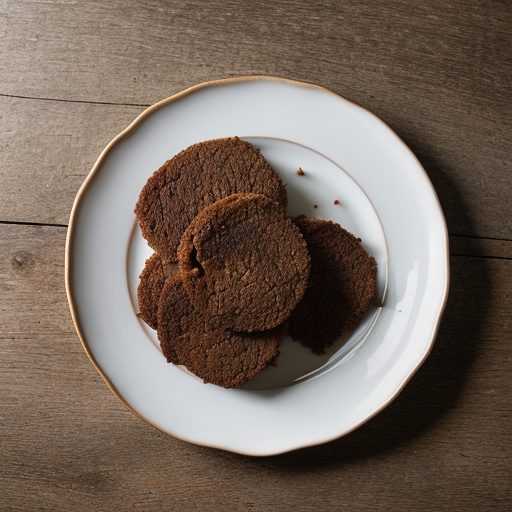
Fried Pork Rub
Description
This International side-dish features Under the heading of cured pork may be included many of the cuts of, SALT PORK.--As the cut used for salt pork is almost entirely fat, , BACON.--The middle cut of pork, upon being cured by smoking. It delivers hearty, protein-packed satisfaction. A reliable recipe that works well for everyday cooking. Simple to make with ingredients you likely already have on hand, this is a recipe you will come back to again and again.Ingredients
Directions
-
pork, for a large part of a pork carcass can be preserved by curing.
-
However, this term is usually restricted to include salt pork, bacon, and ham.
-
As has already been learned, salt pork is obtained from the belly; bacon, from the middle
-
cut ; and ham, from the two hind legs this piece is seldom used alone for the table.
-
Occasionally, it is broiled to be served with some special food, such as fried apples, but for the most part it is used for larding; that is, slices of it are laid across the surface of meat and fish that are lacking in fat and that therefore
-
cook better and have a more agreeable flavor when fat in some
-
form is added.
-
Pork of this kind is usually bought by the pound and then sliced by the housewife as it is needed for cooking purposes.
-
regarded as bacon.
-
It is sometimes used for larding purposes, but as it contains more lean than salt pork, has a very pleasing flavor, and is the most easily digested fat known, it is much used for food.
-
A piece that contains the usual proportion of fat and lean is shown in Fig.
-
The strip of fat that occurs between the rind, or outer
-
coat , and the first
-
layer of lean is the firmest and the best for larding.
-
The fat that fries out of bacon is excellent for use in the cooking and seasoning of other foods, such as vegetables and meats.
-
When bacon is cooked for the table, its flavor will be improved if it is broiled rather than fried in its own fat.
-
The rind of bacon should, as a rule, be trimmed off, but it should never be wasted, for it may be used to
-
grease a pancake griddle or any pan in which food is to be cooked, provided the bacon flavor will not be objectionable.
-
In purchasing bacon, it is usually more economical to buy the whole side, or the entire middle
-
cut , but if smaller quantities are desired, any amount, either in one piece or in slices, may be bought.
-
The commercially
-
cut bacon, which is very thin and becomes very crisp in its preparation, may be bought with the rind retained or removed.
-
In both of these forms, it is often put up in jars or packed neatly in flat pasteboard boxes.
-
While such bacon is undoubtedly the most popular kind, it should be remembered that the more preparation that is put on such a food before it enters the home, the more expensive it becomes.
-
Very satisfactory results can be obtained from bacon bought in the piece if care is used in cutting it.
-
To secure very thin, even slices, a knife having a thin blade that is kept sharp and in good condition should
Nutrition Facts
Servings 1 serving
- Amount Per Serving
- Calories 16731.0kcal
- % Daily Value *
- Total Fat 1144.5g1761%
- Saturated Fat 392.2g1961%
- Cholesterol 3339.0mg1113%
- Sodium 30330.0mg1264%
- Total Carbohydrate 23.1g8%
- Dietary Fiber 0.0g0%
- Sugars 8.2g
- Protein 1481.2g2963%
* Percent Daily Values are based on a 2,000 calorie diet. Your daily value may be higher or lower depending on your calorie needs.
almost, baconthe, being, broiling, cured, cut, cuts, entirely, fat, fried, heading, included, international, many, middle, pork, porkas, rub, salt, side-dish
