

This dry mead recipe transforms simple Acacia blossom honey into a sophisticated, refreshing beverage with subtle floral undertones. Unlike sweeter varieties, this version ferments completely to achieve a dry, wine-like profile that pairs beautifully with light appetizers or enjoys as a standalone drink. The use of Champagne yeast ensures a clean fermentation, while additives like tartaric acid and tannin help balance the flavor and improve mouthfeel. Perfect for homebrewing enthusiasts looking to experiment with traditional mead-making, this recipe yields a smooth, elegant result. It’s ideal for gifting, special occasions, or simply savoring on a quiet evening. With minimal hands-on time and straightforward ingredients, itâÂÂs an accessible project for beginners and seasoned brewers alike.
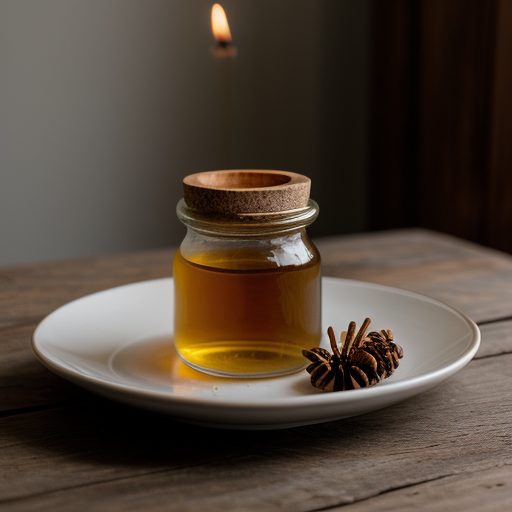
Dry Mead #2
Description
This dry mead recipe transforms simple Acacia blossom honey into a sophisticated, refreshing beverage with subtle floral undertones. Unlike sweeter varieties, this version ferments completely to achieve a dry, wine-like profile that pairs beautifully with light appetizers or enjoys as a standalone drink. The use of Champagne yeast ensures a clean fermentation, while additives like tartaric acid and tannin help balance the flavor and improve mouthfeel. Perfect for homebrewing enthusiasts looking to experiment with traditional mead-making, this recipe yields a smooth, elegant result. It&# 226;ÂÂs ideal for gifting, special occasions, or simply savoring on a quiet evening. With minimal hands-on time and straightforward ingredients, itâÂÂs an accessible project for beginners and seasoned brewers alike.Ingredients
Directions
-
Heat approximately 2 gallons of water to just below boiling (around 160ðF/70ðC) in a large sanitized pot or kettle.
-
Stir in the Acacia blossom honey until it is completely dissolved into the hot water.
-
Remove the pot from heat and add the yeast nutrients, tartaric acid, malic acid, and tannin, stirring gently to dissolve the powders.
-
Transfer the honey mixture (must) into a sanitized fermentation vessel.
-
Add enough cold water to bring the total volume up to 1 gallon.
-
Let the mixture cool to room temperature (around 68-72ðF or 20-22ðC) before pitching the yeast.
-
Sprinkle the Champagne yeast over the surface of the must and swirl the vessel gently to distribute it.
-
Seal the vessel with an airlock filled with sanitizer or water to allow gases to escape while preventing contamination.
-
Store the fermenter in a cool, dark place for 4-6 weeks, or until fermentation activity ceases and the mead clears.
-
Rack the mead off the sediment into a clean carboy or bottle. If desired, add priming sugar before bottling to create a sparkling version.
-
Age the bottled mead for at least 1-3 months for best flavor development before serving chilled.
Nutrition Facts
Servings 1
- Amount Per Serving
- Calories 862.6kcal
- % Daily Value *
- Total Fat 0.0g0%
- Saturated Fat 0.0g0%
- Cholesterol 0.0mg0%
- Sodium 2.8mg1%
- Total Carbohydrate 232.7g78%
- Dietary Fiber 0.0g0%
- Sugars 232.7g
- Protein 0.0g0%
* Percent Daily Values are based on a 2,000 calorie diet. Your daily value may be higher or lower depending on your calorie needs.
