

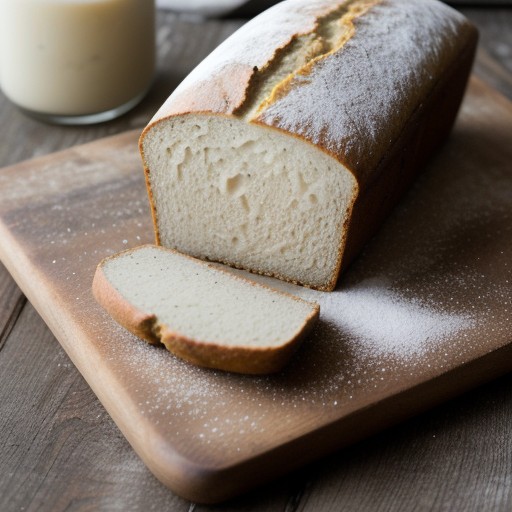
Dusty Potato Bread
Description
This Dusty Potato Bread is a humble yet deeply satisfying loaf that transforms leftover potato cooking water into magic. The starch-rich water creates an incredibly soft, tender crumb with a subtle savory note that complements the slight sweetness of the dough. With a crust that’s beautifully rustic and dusted with flour, it has a charming, old-world appearance. It’s perfect for slicing thick for sandwiches, dipping in olive oil, or simply enjoying with butter as a side to hearty soups. This bread is forgiving, easy to make, and delivers a warm, comforting aroma that fills the kitchen. Ideal for cozy family dinners or sharing with friends, it’s a testament to the beauty of simple, resourceful cooking.Ingredients
Directions
-
In a large mixing bowl, combine the warm potato water, active dry yeast, and sugar. Stir gently to dissolve the yeast and sugar.
-
Let the mixture sit for about 10 minutes until the yeast proofs and becomes foamy.
-
Add the salt, 3 cups of flour, and the melted shortening to the yeast mixture.
-
Beat well with a spoon or mixer to begin developing the gluten.
-
Gradually add the remaining 2-1/2 to 3 cups of flour, mixing until a soft dough forms and it becomes difficult to stir.
-
Turn the dough out onto a lightly floured surface. Knead thoroughly for at least 8-10 minutes until the dough is very smooth and elastic. Do not stop too early; proper kneading ensures good rise.
-
Place the dough in a greased bowl, turning once to coat the top with grease. Cover with a damp cloth or plastic wrap.
-
Let the dough rise in a warm place until doubled in bulk, about 1 to 1-1/2 hours.
-
Punch the dough down to release air bubbles.
-
Divide the dough in half. Shape each half into a round loaf.
-
Place the loaves in well-greased round baking pans.
-
Cover and let rise again until almost doubled, about 45 to 60 minutes.
-
Preheat oven to 400°F (200°C).
-
Just before baking, lightly dust the tops of the loaves with flour for the "dusty" appearance.
-
Bake for 35 to 40 minutes, or until the loaves are golden brown and sound hollow when tapped on the bottom.
-
Remove from pans and cool completely on wire racks.
Note
Do not be fooled by the dough becoming smooth quickly; knead it thoroughly for several minutes to ensure proper gluten development and a good rise.
Potato water can be saved from boiling any type of potato. Ensure it is warm (not hot) to activate the yeast.
If you don't have potato water, you can substitute with warm water and 2-3 tablespoons of mashed cooked potato for similar texture, though the flavor will be slightly different.
Store cooled bread in a paper bag or bread box at room temperature for up to 3 days. For longer storage, slice and freeze.
potato bread, dusty bread, yeast bread, homemade bread, rustic loaf, potato water bread, soft crumb bread, easy bread recipe, comfort food, artisan bread, flour dusted bread, savory bread
