

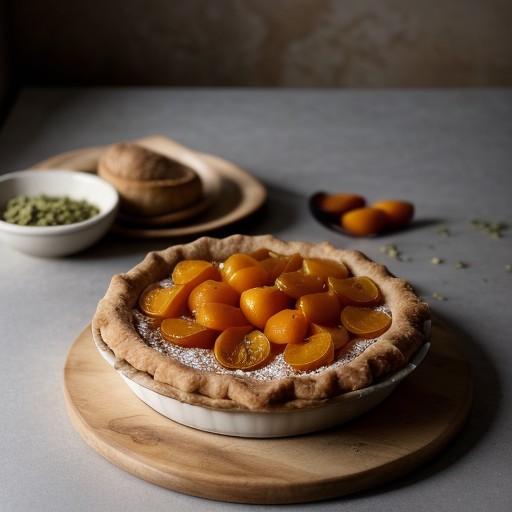
GUSTUM DE PRAECOQUIS (Starter with Apricots)
Description
This authentic Ancient Roman dish, Gustum de Praecoquis, transforms firm ripe apricots into a sophisticated starter with a unique sweet-savory profile. The fruit is gently simmered with white wine, passum (raisin paste), and a touch of honey, creating a luscious glaze that balances the natural acidity of the apricots. The addition of liquor or salt, dried mint, and ground pepper adds complex depth, while a hint of vinegar brightens the finish. Served warm with a cornstarch-thickened sauce, this dish offers a tender texture and aromatic warmth. It is an excellent choice for historical reenactment dinners, themed parties, or adventurous food lovers seeking to explore the culinary roots of the Mediterranean. Simple to prepare yet deeply flavorful, it pairs beautifully with light cheeses or as an elegant prelude to a main course.Ingredients
Directions
-
Wash, cut, and stone 1kg of firm ripe apricots or nectarines.
-
Place the fruit in a pan with a little cold water.
-
Add ground pepper and dried mint (using the peppermint tea bag if fresh mint is unavailable).
-
Stir in 200ml white wine, 250ml passum (raisin paste), a little vinegar, honey, and liquamen (or salt).
-
Pour the mixture into the pan with a little oil.
-
Cook for approximately 20 minutes on small to moderate heat until the fruit is tender.
-
Once the mixture boils, add a bit of cornstarch to thicken the sauce.
-
Sprinkle with additional pepper and serve warm.
Note
Passum is a sweet wine made from dried grapes, similar to a thick raisin paste or syrup. It can be substituted with high-quality grape must or a mixture of raisins and wine reduced down.
Liquamen was a Roman fish sauce. Modern substitutes include fish sauce (like Nam Pla or Nuoc Mam) or soy sauce for a vegetarian alternative.
This dish can be served as a starter or a light main course. It pairs well with crusty bread or as a topping for polenta.
ancient roman, apricot recipe, gustum de praecoquis, historical cuisine, passum, liquamen, sweet savory, apricot starter, roman food, antique recipes, dried fruit sauce, white wine sauce
