

Step back in time with this authentic Ancient Roman mussel braise, known as In Mitulis. This dish captures the essence of classical Mediterranean cooking, balancing the briny sweetness of fresh sea mussels with the deep umami punch of liquamen (fish sauce) and the tart complexity of passum (sweet wine). The broth is enriched with aromatic leeks, earthy cumin, and fragrant savory herbs, creating a layered flavor profile that is both robust and elegant. The mussels steam gently in this aromatic liquid, absorbing the wine’s acidity and the spices’ warmth. Perfect for a historical dinner party or a sophisticated seafood evening, this recipe offers a direct link to the culinary traditions of the Roman Empire. Serve immediately to enjoy the tender texture and intense, savory broth that defines this ancient classic.
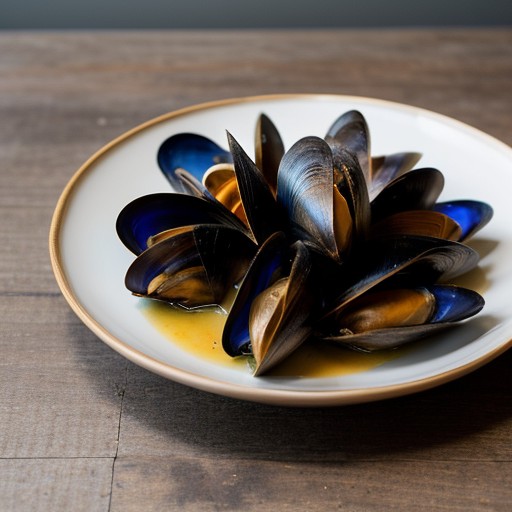
IN MITULIS (Sea Mussels)
Description
Step back in time with this authentic Ancient Roman mussel braise, known as In Mitulis. This dish captures the essence of classical Mediterranean cooking, balancing the briny sweetness of fresh sea mussels with the deep umami punch of liquamen (fish sauce) and the tart complexity of passum (sweet wine). The broth is enriched with aromatic leeks, earthy cumin, and fragrant savory herbs, creating a layered flavor profile that is both robust and elegant. The mussels steam gently in this aromatic liquid, absorbing the wine's acidity and the spices' warmth. Perfect for a historical dinner party or a sophisticated seafood evening, this recipe offers a direct link to the culinary traditions of the Roman Empire. Serve immediately to enjoy the tender texture and intense, savory broth that defines this ancient classic.Ingredients
Directions
-
Thoroughly scrub the fresh sea mussels under cold running water to remove any sand or debris. Discard any mussels with broken shells or those that do not close when tapped.
-
In a large pot or dutch oven, combine the liquamen, white wine, water, passum, minced leek, cumin, and minced saturei.
-
Bring the broth mixture to a rolling boil over medium-high heat. Let it simmer for approximately 20 minutes to allow the flavors to meld and the broth to reduce slightly.
-
Add the cleaned mussels to the pot. Cover with a lid to trap the steam.
-
Cook for an additional 10 minutes, or until the mussels have opened wide. Discard any mussels that remain closed after cooking.
-
Serve the mussels hot in their aromatic broth, ensuring each portion receives a generous amount of the liquid.
Note
Liquamen is an ancient Roman fish sauce. For a modern substitute, use high-quality fish sauce (such as Vietnamese nuoc mam) or a mixture of anchovy paste and water.
Passum is a sweet wine made from dried grapes (raisins). You can substitute with a sweet dessert wine like Marsala, Port, or a reduction of grape must.
Saturei likely refers to savory herb (winter or summer savory). If unavailable, a mix of thyme and rosemary can provide a similar aromatic profile.
For best results, serve immediately. Mussels do not hold well for storage after cooking as they can become rubbery.
