

This ancient Roman dish transforms humble boiled eggs into a gourmet experience through a vibrant, complex dressing. The key lies in the “Apalis” sauce, a sophisticated blend of sweet honey, sharp vinegar, pungent pepper, and aromatic lovage (Liebstoeckl). Stone-pine kernels add a delightful crunch and rich, buttery texture, while liquamen (or salt) provides the essential savory depth. The result is a perfect balance of sweet, sour, salty, and spicy flavors that coat the tender eggs. This dish is ideal for a light summer lunch, a historical reenactment dinner, or as an elegant starter for a Mediterranean-themed meal. It showcases how ancient cooks used simple ingredients to create profound flavor profiles, offering a taste of history with every bite.
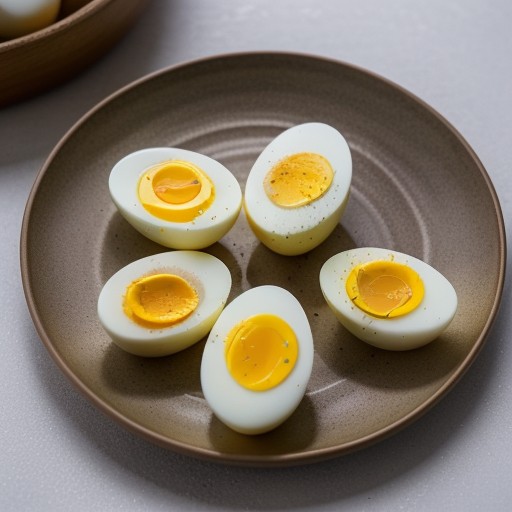
In ovis apalis (boiled eggs)
Description
This ancient Roman dish transforms humble boiled eggs into a gourmet experience through a vibrant, complex dressing. The key lies in the "Apalis" sauce, a sophisticated blend of sweet honey, sharp vinegar, pungent pepper, and aromatic lovage (Liebstoeckl). Stone-pine kernels add a delightful crunch and rich, buttery texture, while liquamen (or salt) provides the essential savory depth. The result is a perfect balance of sweet, sour, salty, and spicy flavors that coat the tender eggs. This dish is ideal for a light summer lunch, a historical reenactment dinner, or as an elegant starter for a Mediterranean-themed meal. It showcases how ancient cooks used simple ingredients to create profound flavor profiles, offering a taste of history with every bite.Ingredients
Directions
-
Bring a pot of water to a boil. Gently lower the 8 eggs into the boiling water. Cook for approximately 4 minutes to achieve a soft-boiled consistency, as preferred in the original recipe (not too well done).
-
While the eggs are cooking, prepare the dressing. In a small bowl, combine the pepper, chopped lovage (Liebstoeckl), and soaked stone-pine kernels.
-
Add the honey and vinegar to the dry ingredients. Mix well until the honey is dissolved.
-
Season the dressing with Liquamen or salt to taste, adjusting the balance of sweet, sour, and savory flavors.
-
Remove the eggs from the water and cool them slightly under running water. Peel the shells carefully.
-
Slice the peeled eggs in half or leave them whole, depending on your preference.
-
Arrange the eggs on a serving platter. Drizzle the prepared dressing generously over the eggs.
-
Serve immediately while the eggs are still warm and the dressing is fresh.
Note
Storage: The dressing can be made in advance and stored in the refrigerator for up to 3 days. Stir well before using.
Substitutions: If Liquamen (fermented fish sauce) is unavailable, use a high-quality fish sauce or a combination of soy sauce and a pinch of salt. Lovage can be substituted with fresh parsley or cilantro, though the flavor profile will change.
Tips: Soak the stone-pine kernels in warm water for 10 minutes before using to soften them slightly and enhance their flavor.
Variations: Add a pinch of cumin or coriander for an extra layer of spice, as these were also common in Roman cuisine.
