

This sourdough bread combines the tang of active starter with the reliability of commercial yeast for a foolproof loaf. The addition of vital wheat gluten ensures an impressive rise and chewy texture, while olive oil adds richness and tenderness. Perfect for slicing thick for toast or serving alongside soups and salads, this bread features a golden crust and an open, airy interior. It’s an ideal project for weekend bakers looking to enjoy fresh, homemade bread without the stress of maintaining a strict schedule. The overnight sponge method develops deep flavors, resulting in a loaf that tastes best on the day it is baked but remains delicious for days.
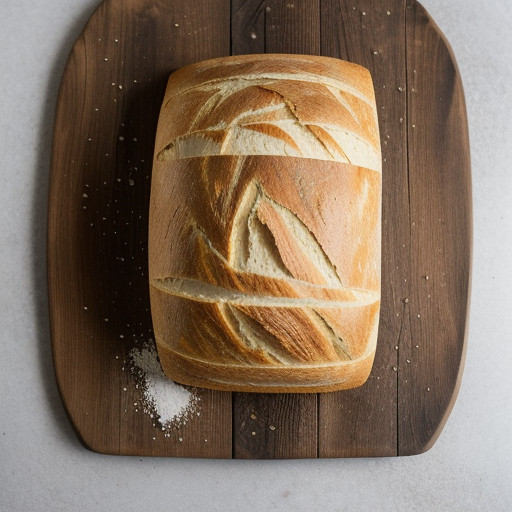
King Arthur – Merlin’S Magic Sourdough Bread
Description
This sourdough bread combines the tang of active starter with the reliability of commercial yeast for a foolproof loaf. The addition of vital wheat gluten ensures an impressive rise and chewy texture, while olive oil adds richness and tenderness. Perfect for slicing thick for toast or serving alongside soups and salads, this bread features a golden crust and an open, airy interior. It&# 226;ÂÂs an ideal project for weekend bakers looking to enjoy fresh, homemade bread without the stress of maintaining a strict schedule. The overnight sponge method develops deep flavors, resulting in a loaf that tastes best on the day it is baked but remains delicious for days.Ingredients
Directions
-
In a large bowl, combine the sourdough starter, warm water, active dry yeast, and vital wheat gluten.
-
Add 3 cups of the flour to the wet ingredients and stir until a shaggy dough forms.
-
Cover the bowl with a damp towel and let the sponge sit at room temperature overnight.
-
The next day, add the salt, olive oil, and remaining flour (approx. 2 cups) to the sponge.
-
Mix until the dough comes together into a shaggy mass.
-
Turn the dough out onto a lightly floured counter and knead for 10-12 minutes, adding more flour if necessary, until the dough is smooth and elastic.
-
Place the dough in a lightly oiled bowl, cover with a damp towel, and let rise for about 2 hours, or until doubled in size.
-
Punch down the dough to release air bubbles.
-
Divide the dough into two equal pieces.
-
On a lightly floured surface, knead each piece briefly and shape into a round ball.
-
Place the shaped loaves on a baking sheet greased and sprinkled with cornmeal.
-
Cover the loaves with a damp towel and let rise for 45 to 60 minutes, or until slightly swollen.
-
Preheat the oven to 375ðF (190ðC).
-
Bake the loaves for 25 to 30 minutes, or until golden brown and the internal temperature reaches 190ðF.
-
Remove from the oven and let cool on a wire rack before slicing.
Nutrition Facts
Servings 2
- Amount Per Serving
- Calories 654.6kcal
- % Daily Value *
- Total Fat 21.8g34%
- Saturated Fat 3.1g16%
- Cholesterol 0.0mg0%
- Sodium 75986.4mg3167%
- Total Carbohydrate 159.4g54%
- Dietary Fiber 3.4g14%
- Sugars 1.7g
- Protein 9.7g20%
* Percent Daily Values are based on a 2,000 calorie diet. Your daily value may be higher or lower depending on your calorie needs.
Note
Storage: Store cooled bread in a paper bag or bread box at room temperature for up to 3 days. For longer storage, wrap tightly and freeze for up to 3 months.
Substitutions: You can use bread flour instead of all-purpose flour for a chewier texture. If you do not have sourdough starter, you can substitute with equal parts warm water and yeast, though the flavor will be less tangy.
Tips: Ensure your starter is active and bubbly before starting. The dough should feel taut and slightly tacky but not sticky when kneaded properly. If the dough sticks excessively, dust your hands with flour rather than adding too much to the dough, which can make the bread dense.
Variations: Try adding 1 cup of whole wheat flour for a nuttier flavor, or incorporate 1/2 cup of dried herbs or seeds for extra texture.
