

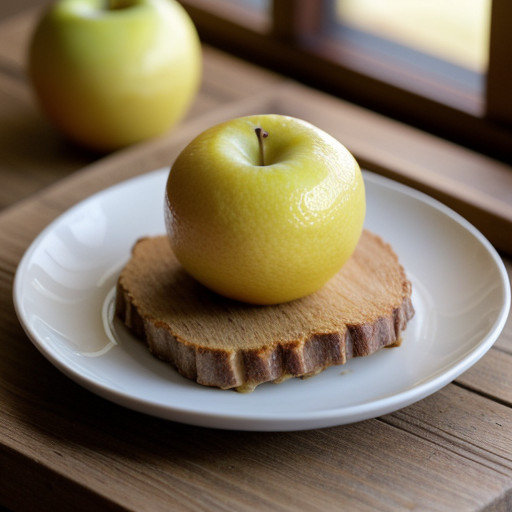
Lemon Jelly
Description
This vibrant Lemon Jelly is a sophisticated twist on traditional fruit preserves, combining the sharp acidity of fresh lemons with the subtle tartness of Granny Smith apples. The result is a glossy, jewel-toned spread that offers a perfect balance of sweet and sour notes. Unlike commercial jellies, this homemade version highlights the natural citrus oils from the lemon rind and the pectin-rich body of the apples. It spreads beautifully on warm scones, enhances breakfast toast, or serves as an elegant glaze for baked goods. Ideal for spring gatherings or as a thoughtful gift, this recipe transforms simple pantry staples into a luxurious condiment that brightens any meal.Ingredients
Directions
-
Wash the lemons thoroughly. Slice the lemons thinly, including the rind and seeds, to release maximum pectin and flavor.
-
Core the Granny Smith apples but leave the skin on, then chop them coarsely.
-
Place the sliced lemons and chopped apples into a large saucepan.
-
Pour in enough water to just cover the fruit.
-
Cook over moderate heat, stirring occasionally, until the fruit becomes soft and mushy.
-
Line a colander with several thicknesses of damp cheesecloth and place it over a large bowl.
-
Pour the cooked fruit mixture into the cheesecloth-lined colander.
-
Allow the mixture to drip into the bowl for about one hour.
-
Gently squeeze the cheesecloth with a spoon to extract as much liquid as possible without pushing pulp through.
-
Measure the strained juice; you should have approximately 4 cups.
-
For each cup of juice, add 3/4 cup of granulated sugar to the bowl.
-
Pour the sugar and juice mixture back into a clean saucepan.
-
Bring to a boil over high heat, stirring until the sugar dissolves.
-
Boil rapidly for 15 minutes, or until the mixture reaches 220-225&# 194;°F (107ðC) on a candy thermometer (the jelly stage).
-
Skim off any foam that forms on the surface during boiling.
-
Ladle the hot jelly immediately into sterilized, hot jars, leaving appropriate headspace.
-
Seal the jars with lids and bands.
-
Process the jars in a boiling water bath for 10 minutes to ensure a proper seal for shelf storage.
Nutrition Facts
Servings 2
- Amount Per Serving
- Calories 102.5kcal
- % Daily Value *
- Total Fat 0.7g2%
- Saturated Fat 0.2g1%
- Cholesterol 0.0mg0%
- Sodium 4.5mg1%
- Total Carbohydrate 29.7g10%
- Dietary Fiber 7.3g30%
- Sugars 14.3g
- Protein 2.2g5%
* Percent Daily Values are based on a 2,000 calorie diet. Your daily value may be higher or lower depending on your calorie needs.
Note
If you do not have a candy thermometer, you can test for the jelly stage by placing a small spoonful of the hot mixture on a chilled plate. If it wrinkles when pushed with your finger, it is ready.
For refrigerated storage only (non-canned), pour the cooled jelly into covered containers. It will keep for several months in the refrigerator.
Ensure your jars are properly sterilized before filling to prevent spoilage if you plan to water-bath can.
The seeds and rind of the lemon are crucial for this recipe as they contribute natural pectin, helping the jelly set firmly.
Granny Smith apples are recommended for their high pectin content and tart flavor, which balances the sweetness of the sugar.
