

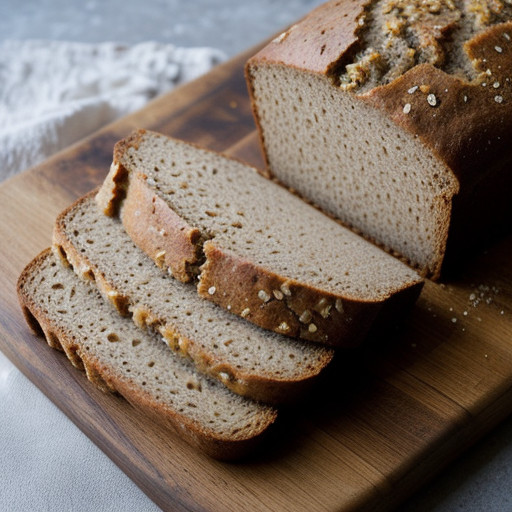
Molasses Oatmeal Bread
Description
This Molasses Oatmeal Bread is a comforting classic that brings warmth to any table. The combination of light molasses, oats, and a touch of shortening creates a loaf that is moist, slightly sweet, and deeply satisfying. The oats add a pleasant texture and nutty undertone, while the molasses provides a rich color and distinctive flavor profile. It pairs beautifully with butter, jam, or as the base for a hearty sandwich. Ideal for weekend baking, this bread fills your home with an inviting aroma. It keeps well for several days, making it a practical and delicious choice for families who enjoy homemade bread. Simple ingredients come together to create a timeless treat that feels both nostalgic and indulgent.Ingredients
Directions
-
Soften the yeast in 1/2 cup of lukewarm water. If using dry yeast, use warm water instead.
-
In a large bowl, combine the scalded milk, sugar, salt, shortening, and molasses.
-
Cool the milk mixture until it is lukewarm to the touch.
-
Stir in 1 cup of the sifted flour.
-
Add the softened yeast mixture and 1 1/2 cups of uncooked Quaker Oats (quick or old-fashioned) to the bowl.
-
Stir in enough of the remaining flour to form a soft dough.
-
Turn the dough out onto a lightly floured board or canvas.
-
Knead the dough until it is smooth and satiny, about 10 minutes.
-
Round the dough into a ball and place it in a greased bowl.
-
Brush the top of the dough lightly with melted shortening.
-
Cover the bowl and let the dough rise in a warm place until it doubles in size, about 1 hour.
-
Punch the dough down and let it rest, covered, for 10 minutes.
-
Divide the dough in half and shape each half into a loaf.
-
Place the loaves in greased 8-1/2" x 4-1/2" x 2-1/2" loaf pans.
-
Brush the tops of the loaves lightly with melted shortening.
-
Cover the pans and let the dough rise until nearly double in size, about 45 minutes.
-
Bake in a preheated moderate oven (350 F (177C)) for about 45 minutes, or until the loaves are golden brown.
-
Remove the loaves from the pans and brush with melted butter.
-
Cool completely on a wire rack.
Nutrition Facts
Servings 2
- Amount Per Serving
- Calories 1211.5kcal
- % Daily Value *
- Total Fat 12.0g19%
- Saturated Fat 3.7g19%
- Cholesterol 1.2mg1%
- Sodium 1492.2mg63%
- Total Carbohydrate 243.1g82%
- Dietary Fiber 9.5g38%
- Sugars 29.4g
- Protein 31.1g63%
* Percent Daily Values are based on a 2,000 calorie diet. Your daily value may be higher or lower depending on your calorie needs.
Note
Use either compressed yeast cakes or dry yeast packets as specified. Ensure water temperature is correct for the type of yeast used to avoid killing the yeast.
The oats can be quick-cooking or old-fashioned. Do not use steel-cut oats as they will not soften properly in the dough.
For storage, wrap cooled bread tightly in plastic wrap or foil. It can be kept at room temperature for 2-3 days, or frozen for up to 3 months.
If the dough feels too sticky during kneading, add a tablespoon of flour at a time. If it feels too dry, add a teaspoon of water.
Light molasses is recommended for a milder flavor. Dark molasses will result in a stronger, more bitter taste.
