Servings 6
- Amount Per Serving
- % Daily Value *
- Total Fat 33.0g51%
- Saturated Fat 8.6g43%
- Cholesterol 213.6mg72%
- Sodium 208.0mg9%
- Total Carbohydrate 36.7g13%
- Dietary Fiber 1.3g6%
- Sugars 1.4g
- Protein 68.5g137%
* Percent Daily Values are based on a 2,000 calorie diet. Your daily value may be higher or lower depending on your calorie needs.
Note
Ingredient Substitutions: Kecap manis (Indonesian sweet soy sauce) is essential for the authentic flavor. If unavailable, you can substitute with a mix of regular soy sauce and brown sugar or maple syrup. Sambal oelek can be replaced with other chili pastes like sriracha or gochujang, though the flavor profile will change slightly.
Rice Preparation: For best results, use day-old cooked rice that has been refrigerated. This ensures the grains are dry and separate, preventing the fried rice from becoming mushy. If using freshly cooked rice, spread it out on a baking sheet to cool and dry before frying.
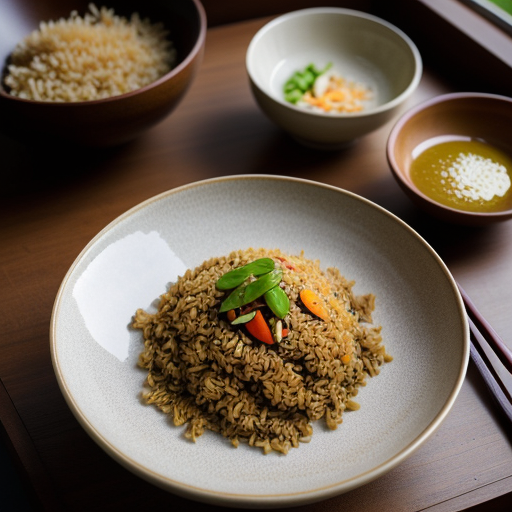
Serving Suggestions: Nasi goreng is traditionally served with a fried egg on top, crispy shallots, and a wedge of lime. It pairs well with a light beer or ginger tea. It is also a common dish served at a rijsttafel, a traditional Indonesian feast featuring many small dishes.
Variations: You can customize this recipe with various proteins such as beef, tofu, or tempeh. For a vegetarian version, omit the meat and shrimp and add extra vegetables like carrots or bell peppers.
Keywords:
indonesian, fried rice, nasi goreng, shrimp, chicken, kecap manis, sambal oelek, curry, ginger, garlic, cabbage, green pepper, wok, spicy, asian, main course, quick dinner, leftover rice, soy sauce, aromatic