

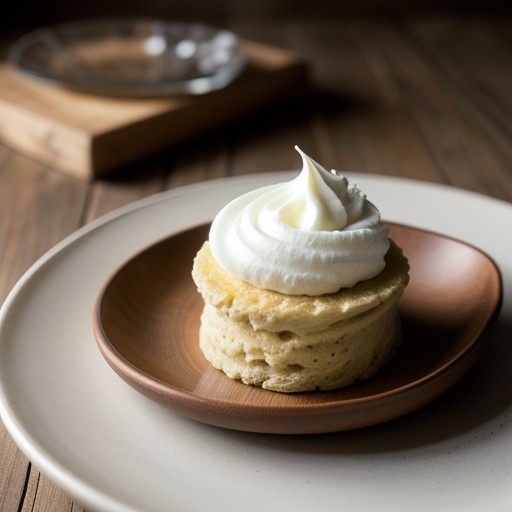
Paska
Description
This rich and creamy Paska is a beloved Eastern European Easter dessert, resembling a dense, no-bake cheesecake. Made with fresh pot cheese, sweetened cream cheese, and egg yolks, it offers a smooth, luxurious texture balanced by the chewiness of candied fruits and nuts. The mixture is drained in a special mold to achieve its signature firm consistency. It is traditionally served alongside Kulich, the tall Easter bread, making it a festive centerpiece for holiday gatherings. This dessert requires patience for draining but rewards with a sophisticated, mild flavor profile perfect for spring celebrations.Ingredients
Directions
-
Sieve 3 pounds of dry pot cheese through a very fine sieve to remove lumps.
-
Blend the sieved cheese with 1 pound of cream cheese until a smooth mixture is formed.
-
In a separate bowl, beat 8 egg yolks with 1-1/2 pounds of granulated sugar until light and fluffy.
-
Combine the egg yolk mixture with the cheese mixture and mix thoroughly.
-
Add 2 cups of heavy cream to the mixture and stir until well incorporated.
-
Fold in 1/4 pound of chopped, blanched almonds, 1/4 pound of mixed candied fruits, and 1/4 pound of raisins.
-
Scrape the seeds from 2 vanilla beans and mix them into the batter until evenly distributed.
-
Line a pyramidal Paska mold (or a deep flowerpot with a hole in the bottom) with a fine cheesecloth that has been wrung out of cold water.
-
Pour the mixture into the lined mold and fold the cheesecloth over the top to cover it.
-
Place a weight on top of the covered mold to press the cheese down firmly.
-
Allow the Paska to drain for 24 hours in the refrigerator.
-
Unmold the Paska by lifting the cheesecloth and decorate as desired before serving.
Nutrition Facts
Servings 6
- Amount Per Serving
- Calories 813.8kcal
- % Daily Value *
- Total Fat 91.9g142%
- Saturated Fat 57.9g290%
- Cholesterol 244.0mg82%
- Sodium 729.8mg31%
- Total Carbohydrate 0.1g1%
- Dietary Fiber 0.0g0%
- Sugars 0.1g
- Protein 1.0g2%
* Percent Daily Values are based on a 2,000 calorie diet. Your daily value may be higher or lower depending on your calorie needs.
Note
A deep flowerpot with a hole in the bottom for drainage makes a satisfactory alternative to a traditional Paska mold.
Paska is traditionally served with Kulich, the Russian Easter bread.
Ensure the pot cheese is dry before sieving to achieve the correct texture.
paska, pascha, russian, easter, cheesecake, no-bake, pot cheese, candied fruit, almonds, dessert, traditional, spring, holiday, cream cheese, egg yolks, vanilla, drained, mold, slavic, eastern european
