

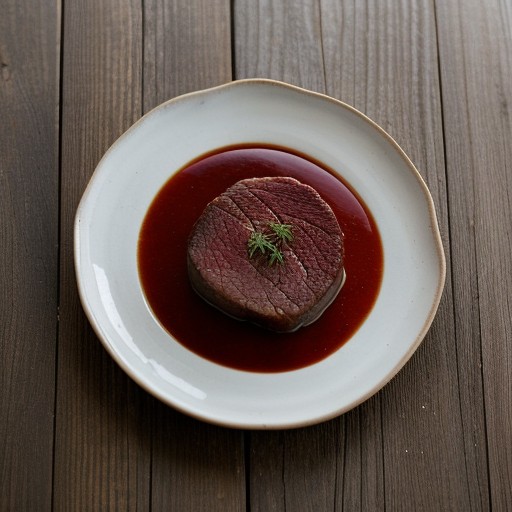
Smoked Beef Marinade
Description
This traditional sweet pickle brine is essential for preparing large cuts of beef, such as brisket, shoulders, or hams, for smoking. The combination of water, salt, sugar, saltpeter, and crushed garlic creates a balanced cure that preserves the meat while infusing it with deep, savory flavors. The addition of optional pickling spices adds a complex aromatic layer that enhances the final smoked product. This marinade not only tenderizes tough cuts but also ensures the meat remains moist and flavorful throughout the long curing and smoking process. Ideal for home smokers and pitmasters looking to achieve authentic, restaurant-quality corned beef or smoked brisket, this recipe requires patience but yields exceptional results.Ingredients
Directions
-
In a large pot, combine 5 gallons of water with 5 pounds of salt, 1 pound of sugar, 1 ounce of saltpeter, and 6 cloves of crushed garlic.
-
If using pickling spices, boil them slowly in half a pint of water separately to extract their flavors, then strain and add the liquid to the main brine mixture.
-
Heat the brine mixture over medium heat, stirring frequently until all solids are completely dissolved. Do not boil vigorously.
-
Remove from heat and allow the brine to cool completely to room temperature.
-
Place the beef cuts into a non-reactive container, such as a food-grade plastic bucket or glass crock.
-
Pour the cooled brine over the meat, ensuring it is completely submerged. Use a weight if necessary to keep the meat under the liquid.
-
Refrigerate the container at a temperature of 35&# 194;°F (1.7ðC) or below.
-
Cure the meat for a duration based on weight: 10 days for pieces weighing 2-4 lbs, up to 16 days for pieces weighing 7-8 lbs.
-
Overhaul the meat every third day by turning it over in the brine to ensure even curing.
-
Inspect the brine daily. If the brine changes color noticeably or smells sour, discard it immediately, wash the meat and container thoroughly with clean water, sterilize the container with boiling water, and prepare a fresh batch of brine.
-
Once curing is complete, remove the meat from the brine and rinse it thoroughly under cold water before smoking or cooking.
Nutrition Facts
Servings 1
- Amount Per Serving
- Calories 445.9kcal
- % Daily Value *
- Total Fat 0.0g0%
- Saturated Fat 0.0g0%
- Cholesterol 0.0mg0%
- Sodium 2310751.9mg96282%
- Total Carbohydrate 115.0g39%
- Dietary Fiber 0.1g1%
- Sugars 113.5g
- Protein 0.3g1%
* Percent Daily Values are based on a 2,000 calorie diet. Your daily value may be higher or lower depending on your calorie needs.
Note
This sweet pickle cure is suitable for large and small cuts of meat, including shoulders, hams, brisket, and game meats like bear, elk, venison, or moose that are too tough for ordinary cooking methods.
For shoulders and hams, the pickle can be injected around the bones using a special syringe with a hollow needle to speed up the curing process, followed by immersion in the brine or application of a dry cure.
Use a salinometer to check the brine strength; the reading should be approximately 60ð Baume.
The quantity of pickling spices can be increased if a spicier flavor profile is desired.
Safety Note: Saltpeter (sodium nitrate) must be handled with care and used in the correct proportions to prevent toxicity. Ensure precise measurement.
Storage: The brine must be kept at 35ðF or lower to prevent deterioration. If spoilage is suspected, discard the brine and start fresh.
