

This recipe delivers authentic French-style sourdough bread with a crisp crust and chewy, airy interior, utilizing the convenience of a breadmaker. By combining active sourdough starter with bread flour and a touch of sugar, you achieve a complex, tangy flavor profile that rivals bakery-fresh loaves. The dough is hydrated gradually to ensure proper gluten development without overworking. Perfect for slicing into baguettes or rustic loaves, this bread pairs beautifully with soups, salads, or charcuterie boards. It’s an excellent choice for weekend baking, offering a satisfying, homemade touch to your meals while keeping the process simple and reliable.
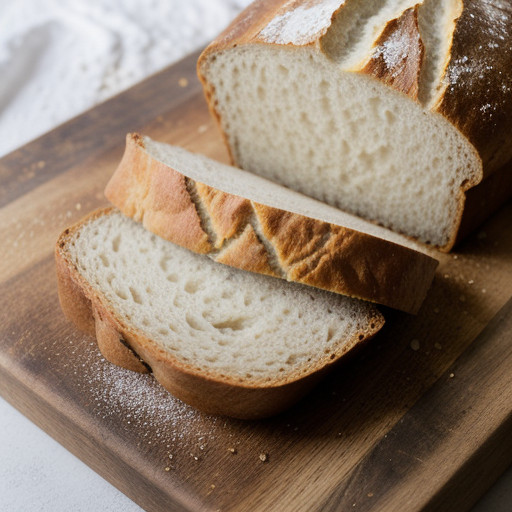
Sourdough French Bread For Breadmaker
Description
This recipe delivers authentic French-style sourdough bread with a crisp crust and chewy, airy interior, utilizing the convenience of a breadmaker. By combining active sourdough starter with bread flour and a touch of sugar, you achieve a complex, tangy flavor profile that rivals bakery-fresh loaves. The dough is hydrated gradually to ensure proper gluten development without overworking. Perfect for slicing into baguettes or rustic loaves, this bread pairs beautifully with soups, salads, or charcuterie boards. It&# 226;ÂÂs an excellent choice for weekend baking, offering a satisfying, homemade touch to your meals while keeping the process simple and reliable.Ingredients
Directions
-
Add the yeast, bread flour, sourdough starter, sugar, and salt into the bread machine pan.
-
Select the French bread setting on your breadmaker and start the cycle.
-
Once the machine begins mixing, slowly drizzle the tepid water into the pan through the opening.
-
Stop adding water when the dough forms a rough ball that cleans the sides of the pan and no wet slime remains under the paddle.
-
Allow the machine to knead the dough until it becomes smooth and satiny.
-
Check the dough consistency; it should feel tacky but not sticky to the touch, and your finger should come away clean.
-
If the dough feels too dry, add a few drops of water; if too sticky, add a sprinkle of flour.
-
Close the lid and let the machine complete the rising and baking cycle.
-
After the loaf shaping stage, lightly mist the dough with water to encourage a crispier crust.
-
Once baking is complete, remove the bread and let it cool on a wire rack before slicing.
Nutrition Facts
Servings 16
- Amount Per Serving
- Calories 652.9kcal
- % Daily Value *
- Total Fat 2.3g4%
- Saturated Fat 0.4g2%
- Cholesterol 0.0mg0%
- Sodium 5218.5mg218%
- Total Carbohydrate 134.0g45%
- Dietary Fiber 4.8g20%
- Sugars 5.4g
- Protein 18.9g38%
* Percent Daily Values are based on a 2,000 calorie diet. Your daily value may be higher or lower depending on your calorie needs.
Note
**Starter Care:** Feed your sourdough starter with 1/2 cup all-purpose flour and 1/2 cup water, then let it stand at room temperature for at least 4 hours (or overnight) before using. Store the starter in the fridge when not in daily use.
**Rye Variation:** For a rye sourdough, substitute 1/2 cup of the bread flour with 1/2 cup rye flour and add 1 teaspoon of caraway seeds to the dry ingredients.
**Manual Baking Tip:** If you prefer a hand-shaped loaf, you can use the dough cycle only. Once kneaded, shape the dough into long ropes or loaves. Let them rise until doubled, then bake at 350ðF (175ðC) for 20 minutes with a pan of hot water on the bottom rack for steam, then flip and bake for another 10 minutes to crisp the bottom.
**Storage:** Store cooled bread in a paper bag or bread box to maintain crust texture. For longer storage, wrap tightly and freeze for up to 3 months.
