

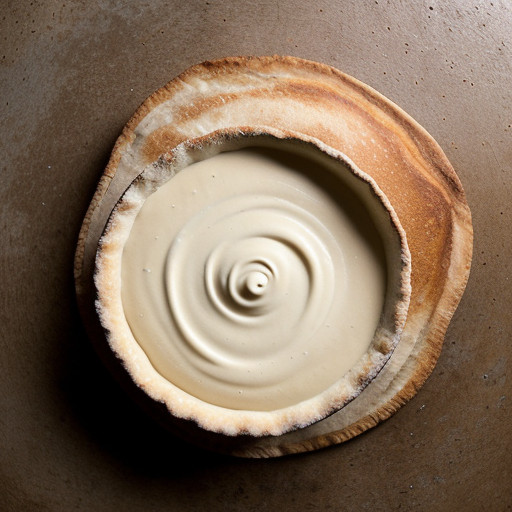
Sourdough Starter #15
Description
This recipe guides you through creating a robust, traditional sourdough starter using only flour and water. Unlike commercial yeast blends, this starter relies on wild yeast and bacteria naturally present in the air and flour to leaven your bread. The process requires patience, taking about five to ten days of daily feeding to develop the necessary acidity and bubbling activity. Once mature, this starter produces a distinctive, tangy flavor and an open, airy crumb structure that defines true artisanal sourdough. It is a versatile foundation for baking everything from rustic loaves to crispy focaccia. Keep it fed and happy on your counter for the best results, enjoying the rewarding cycle of maintenance that comes with keeping a living culture alive in your kitchen.Ingredients
Directions
-
Combine flour and warm water in a non-metal bowl (glass, plastic, or ceramic).
-
Mix thoroughly until no dry flour remains.
-
Cover the bowl loosely with a cloth or cheesecloth.
-
Let sit at room temperature on the counter.
-
Stir the mixture well three times a day for 5 to 10 days.
-
Continue stirring daily until the starter separates into a thick, creamy bottom layer and a thinner, greyish-yellow top layer (often called the "wine").
-
Once the separation occurs and the mixture bubbles actively, the starter is ready to use.
Nutrition Facts
Servings 1
- Amount Per Serving
- Calories 396.7kcal
- % Daily Value *
- Total Fat 1.1g2%
- Saturated Fat 0.2g1%
- Cholesterol 0.0mg0%
- Sodium 2.1mg1%
- Total Carbohydrate 83.5g28%
- Dietary Fiber 2.8g12%
- Sugars 4.1g
- Protein 10.5g21%
* Percent Daily Values are based on a 2,000 calorie diet. Your daily value may be higher or lower depending on your calorie needs.
Note
Storage: If you use the starter frequently (every 3 days or less), you can keep it on the counter. For rarely used starters, store in the refrigerator.
Feeding: Always feed or replenish the starter every 10 days if stored in the fridge, or more often if kept on the counter. To feed, remove 1 cup of starter (discard or give away) and add 3/4 cup flour and 3/4 cup water to the remainder. Alternatively, stir in 1 tsp sugar to revive activity.
Consistency: The texture may range from thin cream to cake batter depending on your flour-to-water ratio and ambient humidity/temperature.
Viability Check: If the starter looks inactive or "dead," replenish it with fresh flour and water. If it begins bubbling within 4 hours, it is still alive. If it smells foul (like rotting garbage) rather than tangy or yeasty, discard and start over.
Safety: Avoid using metal utensils or bowls that could react with the acid in the starter. Non-reactive materials like glass, plastic, or ceramic are best.
