

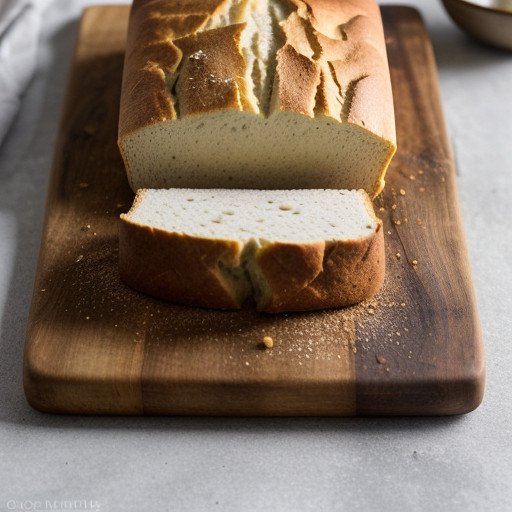
White Bread
Description
This classic white bread recipe yields two soft, fluffy loaves with a perfect golden crust and tender interior. Made with simple pantry staples like milk, butter, and yeast, it delivers a comforting, slightly sweet flavor that pairs beautifully with soups, sandwiches, or just a pat of butter. The dough is easy to handle and rises reliably, making it an excellent choice for both novice bakers and experienced cooks. Enjoy the fresh-from-the-oven aroma filling your kitchen.Directions
-
Pour the warm water over the yeast in a large mixing bowl.
-
Stir well until the yeast dissolves completely.
-
Heat the milk gently until it reaches the same temperature as the yeast mixture (approx 105F).
-
Pour the warm milk into the dissolved yeast mixture.
-
Add the softened butter (or shortening/oil), sugar, salt, and 4 cups of the flour.
-
Beat vigorously with a large spoon or mixer for at least 1 minute.
-
Stir in enough of the remaining flour, 1/2 cup at a time, to form a stiff but manageable dough.
-
Dust a clean surface with 1/4 cup of flour and turn the dough out onto it.
-
Knead the dough for 1 minute, sprinkling extra flour as needed to prevent sticking.
-
Let the dough rest for 10 minutes.
-
Resume kneading for 6 to 8 minutes until the dough is smooth and elastic.
-
Place the dough in a lightly greased bowl, cover, and let rise in a warm place for 1 to 2 hours, or until doubled in bulk.
-
Turn the risen dough out onto a lightly floured surface and punch it down to release air.
-
Divide the dough in half.
-
Shape each half into an oval loaf that fits your greased bread pans.
-
Cover the loaves with a damp towel and let rise for another 45 minutes to 1 hour.
-
Preheat the oven to 350F (177°C).
-
Bake the loaves for 40 to 45 minutes in glass pans, or 45 to 50 minutes in metal pans, until golden brown and hollow-sounding when tapped.
-
Remove from pans and cool on a wire rack.
Nutrition Facts
Servings 4 cups
- Amount Per Serving
- Calories 184kcal
- % Daily Value *
- Total Fat 2.3g4%
- Saturated Fat 1.0g5%
- Cholesterol 2.3mg1%
- Sodium 155mg7%
- Total Carbohydrate 34.9g12%
- Dietary Fiber 1.3g6%
- Sugars 1.7g
- Protein 4.9g10%
* Percent Daily Values are based on a 2,000 calorie diet. Your daily value may be higher or lower depending on your calorie needs.
