

This Basic Country Loaf is the ultimate comfort food, delivering a satisfying crunch on the crust and a tender, chewy interior. Made with a combination of all-purpose and whole wheat flours, it offers a nutty depth that plain white bread simply can’t match. The secret lies in the overnight sponge, which develops complex flavors and improves texture without requiring sourdough starters. Perfect for serving warm with butter, slicing for sandwiches, or creating hearty croutons, this bread is a weekend baking project worth the wait. It pairs beautifully with soups, salads, or simply enjoyed as a side to your favorite meal. Mastering this recipe gives you the foundation for countless artisanal breads.
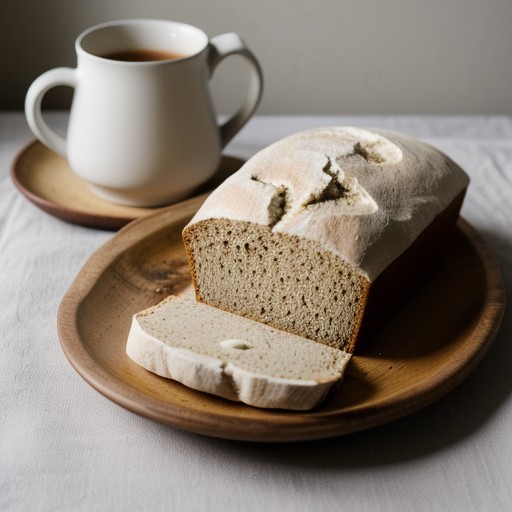
Basic Country Loaf
Description
This Basic Country Loaf is the ultimate comfort food, delivering a satisfying crunch on the crust and a tender, chewy interior. Made with a combination of all-purpose and whole wheat flours, it offers a nutty depth that plain white bread simply can't match. The secret lies in the overnight sponge, which develops complex flavors and improves texture without requiring sourdough starters. Perfect for serving warm with butter, slicing for sandwiches, or creating hearty croutons, this bread is a weekend baking project worth the wait. It pairs beautifully with soups, salads, or simply enjoyed as a side to your favorite meal. Mastering this recipe gives you the foundation for countless artisanal breads.Ingredients
Directions
-
Make the sponge: In a large bowl, dissolve the yeast in 1/4 cup of the warm water. Let stand for 5 minutes. Stir in the remaining 1 1/4 cups water and the 2 cups all-purpose flour, beating by hand or in a mixer with a dough hook for 1 minute. Cover the bowl with plastic wrap and let the sponge stand at room temperature for 12 to 14 hours.
-
Make the dough: Stir the whole wheat flour, 1 cup warm water, salt, and about 4 cups of the all-purpose flour into the sponge until the dough becomes hard to work. Turn it out onto a well-floured surface. Let the dough rest while you clean the bowl.
-
Knead the dough: Slap the dough around, scraping it up, gradually adding about 1 1/2 cups more all-purpose flour. Knead until smooth and elastic, 8 to 10 minutes.
-
First rise: Return the dough to the bowl, cover with plastic wrap, and let rise at room temperature until almost tripled in volume, about 2 hours.
-
Reserve levain: Turn the dough out again onto a floured surface, punch it down, and tear off a small hunk (6 ounces) to reserve for the levain.
-
Shape the loaves: Divide the remaining dough in half and shape each piece into a 1 1/2 inch thick disk. With the palms of your hands, coax the sides of each disk down and under all around, stretching the gluten cloak and plumping up each loaf into a round shape. Pinch together the seams on the bottom and place the rounds seam-side down on 2 lightly greased baking sheets.
-
Second rise: Cover loosely with a towel and let rise until doubled in volume, about 1 hour.
-
Bake: Preheat the oven to 450F. Paint the top and sides of the risen loaves with the beaten egg white to glaze. Sprinkle with optional toppings if desired. Place on the middle rack of the oven. Immediately throw a few ice cubes on the oven floor to create steam. Add more ice after 3 minutes and again after 6 minutes. Bake for a total of 15 minutes.
-
Finish baking: Reduce the oven temperature to 350F and bake for 20 minutes longer, or until the bread sounds hollow when the bottom is tapped. Turn the oven off and let the bread rest in the hot oven for 15 minutes. Remove to a rack and let cool.
Note
Levain Storage: Put the hunk of reserved dough (about 6 ounces) in a covered jar with 1 1/2 cups of warm water. This is the levain, which will go into the next loaf. Let stand at room temperature for 12 hours, then refrigerate. The levain will keep for up to 10 days; freeze for longer storage.
Toppings: Feel free to experiment with different seeds like sesame, poppy, or caraway, or simply dust with flour for a traditional look.
Storage: Store cooled bread in a paper bag at room temperature for 2-3 days, or freeze slices for longer storage.
