

This authentic Danish pastry dough delivers the quintessential flaky, tender texture that pastry chefs strive for. Infused with warm ground cardamom and bright orange rind, it offers a sophisticated flavor profile that pairs beautifully with fruit fillings, custard, or simple sugar glazes. While the process requires patience and a cool kitchen environment to maintain the butter layers, the result is a rewarding, professional-quality treat. Ideal for special morning gatherings or elegant afternoon teas, this versatile dough can be shaped into hearts, spirals, or rolls. It’s a labor of love that transforms simple ingredients into a golden, airy masterpiece.
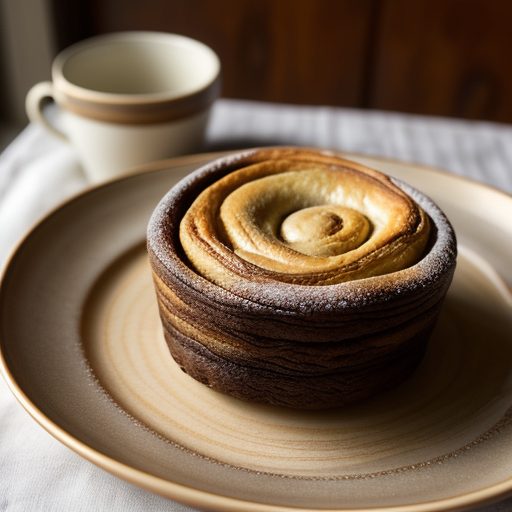
Danish Pastry
Description
This authentic Danish pastry dough delivers the quintessential flaky, tender texture that pastry chefs strive for. Infused with warm ground cardamom and bright orange rind, it offers a sophisticated flavor profile that pairs beautifully with fruit fillings, custard, or simple sugar glazes. While the process requires patience and a cool kitchen environment to maintain the butter layers, the result is a rewarding, professional-quality treat. Ideal for special morning gatherings or elegant afternoon teas, this versatile dough can be shaped into hearts, spirals, or rolls. It&# 226;ÂÂs a labor of love that transforms simple ingredients into a golden, airy masterpiece.Ingredients
Directions
-
Combine 4 cups of flour in a large mixing bowl and make a well in the center, reserving extra flour for rolling later.
-
If using dry yeast, proof it according to package directions; if using fresh yeast, cream it with sugar and salt to form a smooth syrup.
-
Add egg yolks, grated orange rind, ground cardamom, and vanilla to the yeast mixture and stir to combine.
-
Pour the yeast mixture into the well in the flour, then add one cup of cold milk and 1/4 cup of butter cut into small pieces.
-
Mix the ingredients with your fingertips, adding more milk as needed, until a medium-soft dough forms.
-
Knead the dough in the bowl for 5 minutes until it is smooth but not overly elastic, then flour the surface and refrigerate for 30 minutes.
-
While the dough rests, shape the remaining butter into a flattened brick and roll it out on wax paper into a square about 1/3 inch thick, keeping it cold.
-
Cut the butter square into two pieces and refrigerate them between sheets of wax paper until firm.
-
Roll out the chilled dough on a well-floured surface into a rectangle three times longer than it is wide, about 1/3 inch thick.
-
Brush off excess flour, place one piece of butter in the center, fold one end of the dough over it, place the second butter piece on top, and fold the other end over.
-
Press the edges to seal, then turn the dough so the short ends face you, and roll it out again into a long rectangle.
-
Brush off excess flour, fold both ends to meet in the center, press to seal, and fold in half like a book to complete the lamination.
-
Refrigerate the dough for at least 30 minutes before shaping into pastries, ensuring the butter remains cold but pliable.
-
Shape the dough into desired forms, let rise until puffy, and bake according to your specific filling instructions.
Nutrition Facts
Servings 6
- Amount Per Serving
- Calories 523.4kcal
- % Daily Value *
- Total Fat 2.5g4%
- Saturated Fat 0.5g3%
- Cholesterol 0.0mg0%
- Sodium 266.8mg12%
- Total Carbohydrate 108.2g37%
- Dietary Fiber 5.7g23%
- Sugars 0.5g
- Protein 15.0g30%
* Percent Daily Values are based on a 2,000 calorie diet. Your daily value may be higher or lower depending on your calorie needs.
