

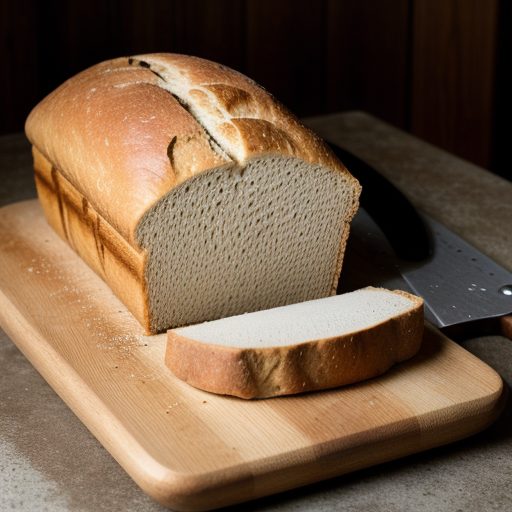
How To Use A Breadmaker
Description
Learn the secrets to perfect bread using your machine with this comprehensive guide. This recipe focuses on technique rather than a single ingredient list, teaching you how to balance flour, water, and yeast for optimal rise and texture. You will discover how to adjust dough consistency during the kneading cycle, ensuring your loaf is neither too dry nor too sticky. Ideal for beginners and experienced bakers alike, these steps help you achieve a golden, crusty exterior and a soft, airy crumb every time. Whether you are making a simple white sandwich loaf or experimenting with whole wheat variations, these fundamental skills will transform your breadmaking experience.Ingredients
Directions
-
Ensure all ingredients, especially liquids and fats, are at room temperature (95-110ðF for water) to activate the yeast properly.
-
Place the warm water into the breadmaker pan first.
-
Add salt, sugar, oil, and flour, creating a small well in the center of the flour.
-
Add the yeast to the well, ensuring it does not touch the liquid directly before the cycle begins.
-
Select the appropriate cycle (e.g., Basic or Whole Wheat) and start the machine.
-
After the first kneading cycle (approx. 10-15 minutes), check the dough consistency.
-
The dough should form a single soft ball that cleans the sides of the pan.
-
If the dough is sticky and leaves residue on your finger when touched, add flour one tablespoon at a time.
-
If the dough is dry, cracks, or forms multiple small balls, add warm water one tablespoon at a time.
-
Allow the machine to complete the remaining kneading, rising, and baking cycles without interruption.
-
Remove the bread immediately after the cycle ends and place on a wire rack to cool.
Nutrition Facts
Servings 1
- Amount Per Serving
- Calories 120kcal
- % Daily Value *
- Total Fat 1.5g3%
- Saturated Fat 0.2g1%
- Sodium 180mg8%
- Total Carbohydrate 22g8%
- Dietary Fiber 1.5g6%
- Sugars 2g
- Protein 4g8%
* Percent Daily Values are based on a 2,000 calorie diet. Your daily value may be higher or lower depending on your calorie needs.
Note
Store yeast in the refrigerator and bring it to room temperature before use to ensure maximum potency.
Using bread flour is recommended over all-purpose flour due to its higher gluten content, which improves rise and structure.
When using darker flours like rye or whole wheat, substitute at least 1 cup with white bread flour and consider adding 1 tsp vital wheat gluten per cup of flour for better elasticity.
Adding 1 tsp lecithin per cup of flour can help improve the elasticity and rise of the bread. Lecithin is often found in health food stores near vitamins.
Check the expiration date on your yeast when purchasing. Fresh yeast yields better results.
Test water temperature by dipping your wrist; it should feel lukewarm, similar to bath water for a baby. Water that is too hot will kill the yeast.
Do not over-add flour or water. Adjust in small increments (1 tablespoon) to avoid altering the final texture significantly.
