

Salt-rising bread is a unique, yeast-free loaf that relies on a natural bacterial fermentation process for its rise. This recipe uses a potato-based starter, often called a “sponge,” which is cultivated over several days using sliced potatoes, salt, honey, and cornmeal. The result is a bread with a distinctive tangy, slightly cheesy flavor and a tender, airy crumb. It is a beloved staple in Southern American cuisine, particularly in Texas and Arkansas. This bread is perfect for serving warm with butter or alongside hearty stews and soups. While the preparation requires patience and attention to temperature control during the fermentation stages, the reward is a deeply flavorful, artisanal loaf that stands out from standard yeast breads.
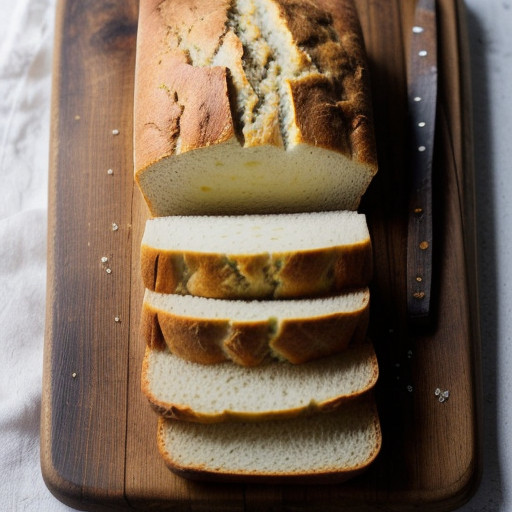
Salt-Rising Bread #2
Description
Salt-rising bread is a unique, yeast-free loaf that relies on a natural bacterial fermentation process for its rise. This recipe uses a potato-based starter, often called a "sponge," which is cultivated over several days using sliced potatoes, salt, honey, and cornmeal. The result is a bread with a distinctive tangy, slightly cheesy flavor and a tender, airy crumb. It is a beloved staple in Southern American cuisine, particularly in Texas and Arkansas. This bread is perfect for serving warm with butter or alongside hearty stews and soups. While the preparation requires patience and attention to temperature control during the fermentation stages, the reward is a deeply flavorful, artisanal loaf that stands out from standard yeast breads.Ingredients
Directions
-
Place thinly sliced potatoes, 3 teaspoons salt, honey, and cornmeal in a stainless steel bowl.
-
Cover the mixture completely with boiling water.
-
Cover the bowl with a cloth and let stand in a warm place (about 90F/32C) for 15 hours to create the starter sponge.
-
Drain the mixture, discarding the potatoes but reserving the liquid.
-
Preheat oven to 350F (175C).
-
In a mixing bowl, combine baking soda, remaining 2 teaspoons salt, and 3 cups of all-purpose flour.
-
Mix on slow speed and gradually add the reserved potato water.
-
Beat the mixture for about 5 minutes until well combined.
-
Scrape the resulting "sponge" into a clean mixing bowl, cover with a damp cloth, and let rise in a warm spot until bubbles form, about 1 1/2 hours.
-
Meanwhile, combine milk and olive oil in a small saucepan.
-
Bring the milk mixture to a boil, then immediately remove from heat and let cool to lukewarm.
-
Return the risen sponge to the mixing bowl.
-
Add the lukewarm milk mixture and slowly incorporate the remaining 5 cups of flour.
-
Knead with a dough hook for 7 minutes, or by hand until smooth. If the dough is too sticky, add up to 3/4 cup additional flour.
-
Divide the dough into three equal portions and place each into a greased loaf pan.
-
Cover the pans with a damp towel and let rise in a warm spot until doubled in volume, about 1 to 2 hours.
-
Bake for about 1 hour, or until the bread is golden brown and sounds hollow when tapped on the bottom.
Nutrition Facts
Servings 3
- Amount Per Serving
- Calories 2749.0kcal
- % Daily Value *
- Total Fat 17.9g28%
- Saturated Fat 3.3g17%
- Cholesterol 1.6mg1%
- Sodium 1200.0mg50%
- Total Carbohydrate 557.8g186%
- Dietary Fiber 24.2g97%
- Sugars 20.7g
- Protein 73.1g147%
* Percent Daily Values are based on a 2,000 calorie diet. Your daily value may be higher or lower depending on your calorie needs.
Note
Temperature Control: The success of salt-rising bread depends heavily on maintaining a warm environment (85F-90F / 29C-32C) during the fermentation stages. Use an oven with the light on, a proofing box, or wrap the bowl in towels in a warm spot.
Starter Storage: If you do not plan to bake immediately, the initial potato starter can be kept in the refrigerator for up to a week. Bring it back to room temperature before using.
Dough Consistency: Salt-rising dough is typically stickier than yeast dough. Do not add too much extra flour, as this can result in a dense loaf. The dough should pull away from the sides of the bowl but remain soft.
Rising Time: The second rise (proofing) can take longer than yeast breads. Be patient and wait until the dough has clearly doubled in size before baking.
