

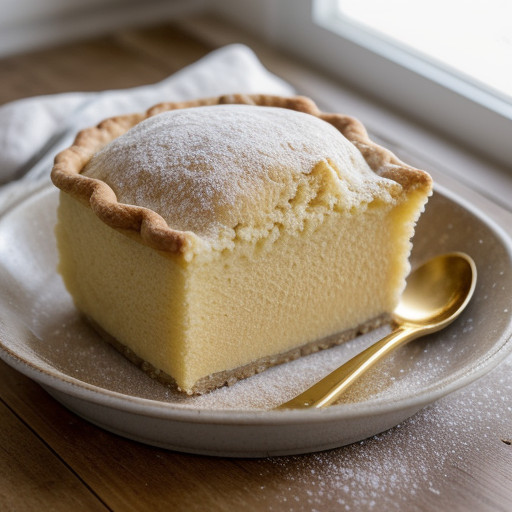
Sourdough Starter & Sponge
Description
This recipe creates a vigorous sourdough starter and sponge using simple pantry staples. By combining flour, warm water, and yeast, you develop a living culture that imparts a distinctive tangy flavor and open crumb to your baked goods. The long fermentation process allows natural enzymes to break down gluten, resulting in a bread that is easier to digest and has a superior texture. This starter is perfect for making hearty loaves, crispy focaccia, or fluffy pancakes. It requires minimal active effort, making it an ideal project for weekend bakers or anyone looking to elevate their homemade bread game with traditional techniques.Ingredients
Directions
-
In a large mixing bowl, combine the flour, warm water, and yeast.
-
Mix thoroughly until no dry flour remains and the mixture is smooth.
-
Cover the bowl tightly with plastic wrap or a lid.
-
Let the mixture stand at room temperature for 8 to 10 hours to ferment.
-
Once fermented, transfer approximately 1/2 cup of the starter into an airtight container.
-
Place the reserved starter in the refrigerator to maintain for future use.
-
Use the remaining fermented mixture immediately for baking your desired bread recipe.
-
To refresh the refrigerated starter later, remove it and add 2 cups of flour and 2 cups of warm water.
-
Mix well and repeat the fermentation process as needed.
Nutrition Facts
Servings 1
- Amount Per Serving
- Calories 436.8kcal
- % Daily Value *
- Total Fat 1.2g2%
- Saturated Fat 0.2g1%
- Cholesterol 0.0mg0%
- Sodium 2.4mg1%
- Total Carbohydrate 91.2g31%
- Dietary Fiber 3.2g13%
- Sugars 0.4g
- Protein 12.0g24%
* Percent Daily Values are based on a 2,000 calorie diet. Your daily value may be higher or lower depending on your calorie needs.
Note
Store the refrigerated starter in an airtight container. It can last for several weeks if fed regularly.
For a more tangy flavor, allow the fermentation process to extend up to 12 hours in a cooler environment.
Use unbleached all-purpose or bread flour for best results in developing gluten structure.
Ensure the water is warm (about 100-110&# 194;°F or 38-43ðC) to activate the yeast without killing it.
sourdough, starter, sponge, bread, fermentation, baking, yeast, flour, homemade, artisan, vegan, whole wheat, organic, leavening, crust, crumb
