

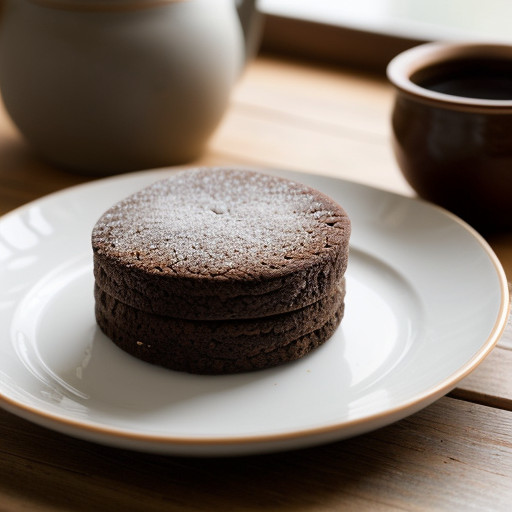
Swedish Rye
Description
This classic Swedish Rye bread is a testament to simple, hearty baking. Combining robust rye flour with sweet dark molasses and honey, it creates a loaf that is dense, moist, and incredibly flavorful. The deep brown color and rich taste make it perfect for sandwiches, particularly with cured meats and cheese, or simply enjoyed with butter for breakfast. The boiling water step gelatinizes the rye starch, giving the bread its characteristic sticky texture and long shelf life. It is a comforting, wholesome bread that brings a touch of Nordic tradition to your table. Ideal for holiday gatherings or a cozy weekend bake, this recipe yields two round loaves that are rustic in appearance but sophisticated in flavor.Ingredients
Directions
-
In a large mixing bowl, combine the rye flour, dark molasses, honey, and salt.
-
Gradually pour in the boiling water while stirring vigorously to prevent lumps. Beat the mixture for 2 minutes until smooth and thick.
-
Allow the molasses mixture to cool until it is lukewarm to the touch (about 100&# 194;°F or 38ðC).
-
In a separate small bowl, dissolve the dry yeast in the warm water. Let stand for 5-10 minutes until foamy.
-
Pour the yeast mixture into the cooled molasses mixture. Add 2 cups of the white flour.
-
Beat the mixture at high speed (or by hand with significant effort) for 2 minutes until well combined.
-
Gradually add the remaining white flour, about 1/2 cup at a time, mixing until a soft dough forms that clears the sides of the bowl. You may not need all the flour, or you may need a little more depending on humidity.
-
Turn the dough out onto a lightly floured surface. Knead for 8 to 10 minutes until the dough is smooth and elastic.
-
Place the dough in a large greased bowl, turning once to grease the top. Cover with a damp cloth or plastic wrap.
-
Let the dough rise in a warm place for 75 to 90 minutes, or until doubled in size.
-
Punch down the dough to release air bubbles. Divide the dough in half.
-
Shape each half into a round loaf. Place on greased baking sheets.
-
Cover loosely and let rise again for 45 to 60 minutes, until nearly doubled.
-
Preheat oven to 350ðF (175ðC).
-
Bake the loaves for 35 to 40 minutes, or until they sound hollow when tapped on the bottom.
-
Remove from oven and cool completely on wire racks before slicing.
Nutrition Facts
Servings 2
- Amount Per Serving
- Calories 1930.0kcal
- % Daily Value *
- Total Fat 6.0g10%
- Saturated Fat 1.2g6%
- Cholesterol 0.0mg0%
- Sodium 10028.4mg418%
- Total Carbohydrate 413.5g138%
- Dietary Fiber 15.1g61%
- Sugars 40.9g
- Protein 50.0g100%
* Percent Daily Values are based on a 2,000 calorie diet. Your daily value may be higher or lower depending on your calorie needs.
Note
Rye flour absorbs more liquid than white flour. If the dough feels too dry while kneading, add warm water one tablespoon at a time. If it is too sticky, add flour.
This bread keeps well. Wrap tightly in plastic wrap or store in an airtight container at room temperature for up to 5 days. It also freezes well for up to 3 months. Slice before freezing for easy toasting.
For a traditional Swedish touch, you can sprinkle the tops with caraway seeds before the second rise.
Ensure the molasses mixture cools sufficiently before adding yeast, or the heat will kill the yeast and prevent the bread from rising.
swedish, rye, bread, molasses, honey, scandinavian, yeast, baking, hearty, traditional, dark, flour, loaf, homemade, vegan, wheat, carbohydrate, breakfast, lunch, dinner
