

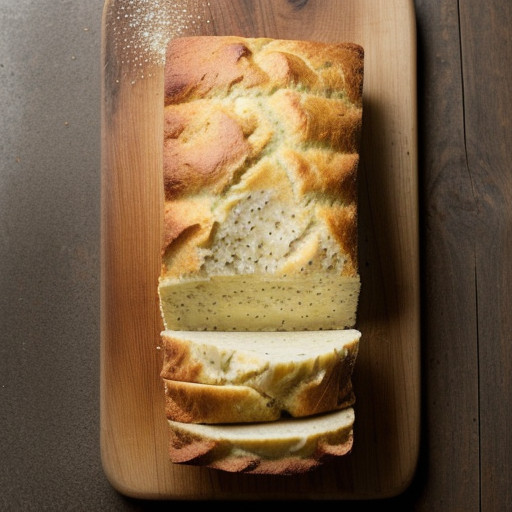
Swiss Cheese Potato Bread
Description
This Swiss Cheese Potato Bread is a comforting, rustic loaf that combines the soft texture of potato-enriched dough with the nutty, savory flavor of Swiss cheese. The instant potato flakes keep the bread moist and tender, while the cheese adds a delightful richness. Perfect for breakfast, brunch, or as a side to soups and stews, this homemade bread offers a superior alternative to store-bought slices. It is easy to make with simple pantry staples and rewards you with a warm, fragrant aroma that fills the kitchen.Ingredients
Directions
-
Grease an 8-inch tube pan (such as a Bundt or angel food pan) and set aside.
-
In a large mixing bowl, combine 1 1/2 cups of the flour, yeast, sugar, salt, potato flakes, and hot water.
-
Beat the mixture by hand for 30 strong strokes, or mix on low speed for 1 minute.
-
Add the melted butter, eggs, and grated Swiss cheese.
-
Beat by hand for 100 strokes, or mix on high speed for 2 minutes.
-
Gradually stir in the remaining 1 1/2 cups of flour, adding it 1/2 cup at a time, until a shaggy dough forms.
-
Turn the dough out onto a lightly floured surface.
-
Knead the dough for 8 minutes, adding small amounts of flour if necessary, until smooth and elastic.
-
Place the dough in a greased bowl, turning to coat. Cover tightly with plastic wrap.
-
Let rise in a warm place until doubled in volume, about 1 hour.
-
Punch down the dough and turn it out onto a floured surface. Let rest for 2 minutes.
-
Roll the dough into a 20-inch rope. Place in the prepared pan, overlapping the ends slightly and pinching them together. Alternatively, flatten the dough, punch a hole in the center, and stretch it over the tube of the pan.
-
Cover the pan loosely with foil or wax paper and let rise again until doubled, about 45 minutes.
-
Preheat the oven to 375°F (190°C).
-
Bake for 45 minutes, or until a skewer inserted into the center comes out clean.
-
Ten minutes before the end of baking, carefully turn the loaf out onto a baking sheet and return to the oven to brown the bottom.
-
Remove from the oven and transfer to a wire rack to cool completely before slicing.
Nutrition Facts
Servings 2 cups
- Amount Per Serving
- Calories 1248kcal
- % Daily Value *
- Total Fat 45g70%
- Saturated Fat 23g115%
- Cholesterol 179mg60%
- Sodium 5225mg218%
- Total Carbohydrate 159g53%
- Dietary Fiber 7g29%
- Sugars 3g
- Protein 50g100%
* Percent Daily Values are based on a 2,000 calorie diet. Your daily value may be higher or lower depending on your calorie needs.
swiss cheese bread, potato bread, yeast bread, homemade bread, savory bread, baking, comfort food, vegetarian, cheese loaf, soft bread, dinner side, brunch
