

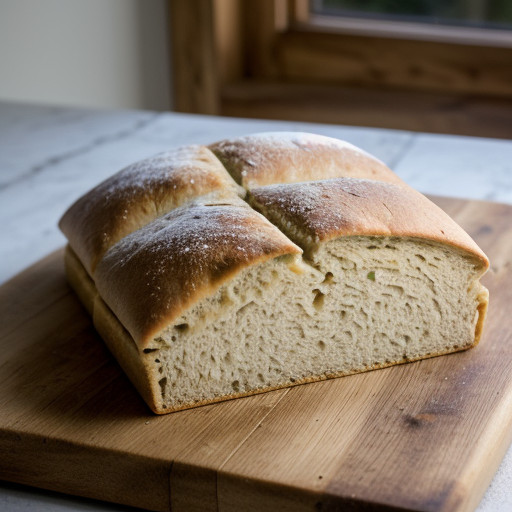
Syrian Or Lebanese Bread
Description
This traditional Syrian or Lebanese bread is a staple in Middle Eastern cuisine, known for its soft interior and slightly chewy texture. Made with simple pantry staples like flour, yeast, and water, it rises beautifully to create airy pockets ideal for stuffing. The high-temperature baking gives it a distinctive charred flavor while keeping the center tender. It pairs wonderfully with hummus, baba ganoush, or grilled meats. Whether you are making sandwiches for lunch or serving as a side dish for dinner, this homemade bread brings an authentic touch to your meal. It is easy to prepare, requires no special equipment, and tastes far superior to store-bought alternatives. Enjoy it warm from the oven for the best experience.Ingredients
Directions
-
In a small bowl, sprinkle the yeast over 1/3 cup of warm water.
-
Add 1 tablespoon of flour and the sugar to the yeast mixture.
-
Stir gently and let it sit for 10 minutes until foamy.
-
In a large bowl, sift together the 3 cups of flour and salt.
-
Add the activated yeast mixture to the flour.
-
Gradually add 1 cup of warm water, mixing and kneading until a stiff but pliable dough forms.
-
Knead the dough on a lightly floured surface for about 10 minutes until smooth and elastic.
-
Place the dough in a greased bowl, cover with a damp cloth, and let it rise in a warm place for 1 hour or until doubled in size.
-
Punch down the dough to release air bubbles.
-
Divide the dough into 6 to 8 equal-sized balls.
-
On a lightly floured surface, roll each ball into a circle about 1/4 inch thick.
-
Cover the shaped bread with a kitchen towel and let them rest for 15-25 minutes.
-
Preheat your oven to 500&# 194;°F (260ðC) for at least 15 minutes.
-
Brush the tops of the bread with milk.
-
Place the bread on a baking sheet or pizza stone.
-
Bake for 8 minutes until the bread puffs up and the bottom is golden brown.
-
Flip the bread over and bake for another 2-3 minutes to brown the other side.
-
Remove from the oven and let cool slightly.
-
Place the warm bread in a plastic bag or wrap in a towel to keep soft.
Nutrition Facts
Servings 8
- Amount Per Serving
- Calories 159.4kcal
- % Daily Value *
- Total Fat 1.5g3%
- Saturated Fat 0.3g2%
- Cholesterol 0.0mg0%
- Sodium 264.8mg12%
- Total Carbohydrate 32.2g11%
- Dietary Fiber 3.0g12%
- Sugars 0.2g
- Protein 5.0g10%
* Percent Daily Values are based on a 2,000 calorie diet. Your daily value may be higher or lower depending on your calorie needs.
Note
To keep the bread soft for longer, store it in an airtight container or plastic bag while still slightly warm. This traps steam and maintains moisture.
For a crispier crust, skip the step of storing in a plastic bag and let the bread cool completely on a wire rack.
You can substitute the milk with water or olive oil for brushing before baking if you prefer a vegan option or have dietary restrictions.
Ensure the water used for activating yeast is warm (about 105-110ðF), not hot, to avoid killing the yeast.
This bread is excellent for sandwiches, wrapping falafel, or serving alongside stews and grilled meats.
