

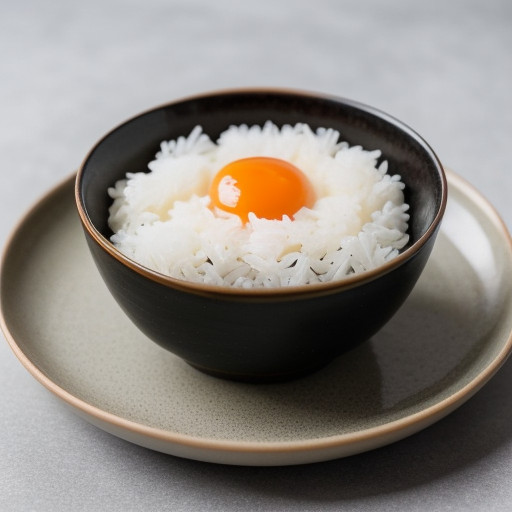
To Prepare Sushi Rice
Description
Master the art of sushi rice with this essential recipe that transforms simple white rice into a flavorful, sticky foundation for sushi, sashimi accompaniments, or onigiri. The key lies in the precise balance of rice vinegar, sugar, and salt, which creates a glossy, slightly sweet, and tangy profile that complements raw fish or vegetables. Proper technique, including the traditional folding motion and cooling process, ensures the grains remain distinct yet cohesive. This versatile rice is a staple in Japanese cuisine, offering a textural contrast that elevates any meal. Perfect for home cooks looking to add an authentic touch to their dining experience, it requires minimal ingredients but demands attention to detail for the best results.Ingredients
Directions
-
In a small saucepan, combine the vinegar, sugar, and salt over low heat, stirring gently until the sugar and salt are completely dissolved.
-
Remove the mixture from heat and allow it to cool slightly so it is warm but not hot.
-
Transfer the cooked rice into a non-metallic mixing bowl, such as wood, glass, or ceramic.
-
Spread the rice evenly across the bottom of the bowl.
-
Drizzle the vinegar mixture evenly over the rice while simultaneously folding the rice with a wet wooden spoon or spatula.
-
Use a slicing and folding motion to mix the rice, avoiding crushing or stirring the grains to maintain their texture.
-
Fan the rice vigorously with a hand fan or a piece of paper while mixing to cool it down quickly and give it a glossy shine.
-
Cover the rice with a damp cloth to prevent it from drying out while it cools to room temperature.
Nutrition Facts
Servings 6
- Amount Per Serving
- Calories 91.5kcal
- % Daily Value *
- Total Fat 0.2g1%
- Saturated Fat 0.1g1%
- Cholesterol 0.0mg0%
- Sodium 4875.9mg204%
- Total Carbohydrate 19.8g7%
- Dietary Fiber 0.3g2%
- Sugars 1.9g
- Protein 1.7g4%
* Percent Daily Values are based on a 2,000 calorie diet. Your daily value may be higher or lower depending on your calorie needs.
Note
Use a non-metallic bowl for mixing. Metal can react with the vinegar, affecting the flavor and potentially discoloring the rice.
The rice should be cooked short-grain Japanese rice for the best sticky texture.
Fanning the rice helps to evaporate excess moisture and creates the characteristic glossy appearance of sushi rice.
Keep the rice covered with a damp cloth at room temperature until ready to use. Do not refrigerate, as this can harden the rice.
If using rice vinegar that is not seasoned, ensure the ratio of sugar and salt is adjusted to taste.
sushi, rice, vinegar, japanese, seasoning, shari, sticky, sushi-making, short-grain, condiment, folding, cooling, side-dish, vegan
