

This comprehensive troubleshooting guide helps you achieve perfect loaves every time with your Zojirushi breadmaker. It addresses common issues like dense texture, uneven rising, dark crusts, and ingredient clumping. By understanding how factors like humidity, altitude, and ingredient freshness affect the baking process, you can adjust liquid, yeast, and sugar levels for optimal results. Whether you are dealing with a loaf that didn’t rise or one that is too moist, these tips ensure consistent, bakery-quality bread at home.
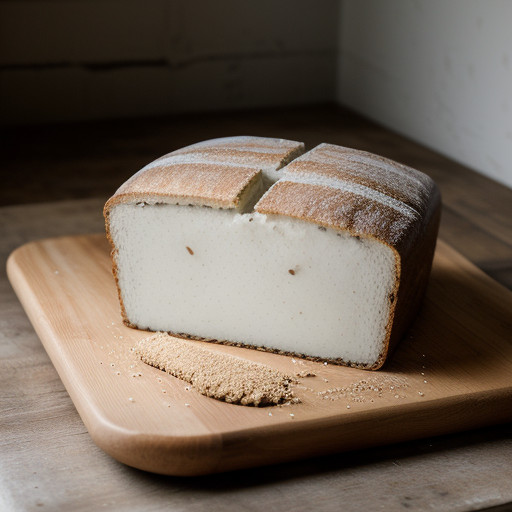
Trouble Shooting For The Zojirushi Breadmaker
Description
This comprehensive troubleshooting guide helps you achieve perfect loaves every time with your Zojirushi breadmaker. It addresses common issues like dense texture, uneven rising, dark crusts, and ingredient clumping. By understanding how factors like humidity, altitude, and ingredient freshness affect the baking process, you can adjust liquid, yeast, and sugar levels for optimal results. Whether you are dealing with a loaf that didn't rise or one that is too moist, these tips ensure consistent, bakery-quality bread at home.Ingredients
Directions
-
Ensure all ingredients are at room temperature before adding to the pan.
-
Check that yeast is fresh by proofing it in 1/4 cup warm water with 1 tsp sugar; it should foam within 10 minutes.
-
Measure flour accurately using the scoop-and-level method to avoid dense or flat loaves.
-
Add liquid ingredients first, followed by dry ingredients, ensuring yeast is kept separate from wet ingredients until the cycle starts.
-
If the loaf rises too high and hits the viewing window, decrease liquid by 1/8 cup in the next batch.
-
If the loaf is too brown or dark, select the "Lighter" crust setting or reduce sugar slightly.
-
If the sides cave inward or the loaf is damp, remove the bread from the pan immediately after the cycle completes.
-
If the loaf is mushroom-shaped or has an odd shape, reduce liquid by 1/8 cup.
-
If flour residue appears on top, increase liquid slightly to ensure proper hydration.
-
If the bread is overcooked, decrease sugar slightly or use a lighter crust setting.
-
If clumps form when slicing, let the bread cool completely in the pan to release steam.
-
For consistent heights, account for room humidity and temperature variations by adjusting liquid as needed.
-
Toss raisins or nuts in 1 tablespoon of flour before adding to prevent clumping at the bottom.
-
If the bread does not rise at all, verify yeast was added and is not stale or damaged.
-
If smoke appears, check for ingredients spilled on the heating element and clean the interior thoroughly.
-
If the pan is scratched or the machine is noisy, ensure the machine is on a level surface and contact support if scratching persists.
-
For high-altitude baking, decrease liquid by 1/8 cup, reduce yeast by 1/8 to 1/4 tsp, and reduce sugar by 1/2 tsp.
Nutrition Facts
Servings 1
- Amount Per Serving
- Calories 2.3kcal
- % Daily Value *
- Total Fat 0.0g0%
- Saturated Fat 0.0g0%
- Cholesterol 0.0mg0%
- Sodium 0.0mg0%
- Total Carbohydrate 0.5g1%
- Dietary Fiber 0.0g0%
- Sugars 0.0g
- Protein 0.1g1%
* Percent Daily Values are based on a 2,000 calorie diet. Your daily value may be higher or lower depending on your calorie needs.
Note
Salt acts as an inhibitor to yeast. Since different brands of milk have varying sodium contents, you may need to adjust the salt amount in your recipe accordingly.
If you suspect your yeast is old, always test it first. If it does not foam when mixed with warm water and sugar, replace it.
Humidity affects flour absorption. On very humid days, you may need slightly less liquid; on dry days, slightly more.
If the loaf is too dense, check that you used the correct type of yeast (active dry vs. instant) and that it was not clumped.
