

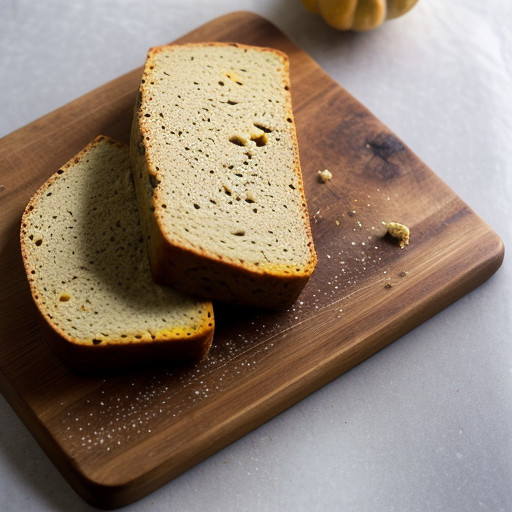
Winter Squash Herb Bread
Description
This Winter Squash Herb Bread is a comforting, rustic loaf that brings the earthy sweetness of roasted squash together with aromatic fresh sage and pungent garlic. The dough is enriched with eggs and butter, resulting in a tender crumb with a golden, slightly crisp crust. It is perfect for slicing thick for a hearty breakfast alongside eggs, serving as a savory side dish to soups and stews, or enjoying warm with a pat of butter. The combination of savory herbs and sweet squash creates a unique flavor profile that feels both indulgent and wholesome. Ideal for autumn and winter gatherings, this bread is a delightful way to showcase seasonal vegetables in a versatile, homemade form that pairs well with almost any meal.Ingredients
Directions
-
Combine milk, butter, and sugar in a small saucepan. Heat over medium heat, stirring until the butter is completely melted. Remove from heat and set aside to cool until lukewarm.
-
In a large mixing bowl, dissolve the baking yeast in the warm water. Let stand for 5-10 minutes until foamy.
-
Add 2 cups of the unbleached flour, beaten eggs, mashed squash, sage, dill, crushed garlic, and salt to the yeast mixture. Mix until combined.
-
Stir in the lukewarm milk mixture. Mix until a sticky dough forms.
-
Gradually add the remaining flour, 1/3 cup at a time, mixing after each addition until the dough becomes smooth but still slightly sticky.
-
Turn the dough out onto a lightly floured surface. Knead briefly for 2-3 minutes until smooth.
-
Form the dough into a ball and place it in a lightly greased loaf pan. Alternatively, divide into small balls for dinner rolls and place on a greased baking sheet or in a muffin tin.
-
Cover with plastic wrap or a damp cloth. Let rise in a warm place for 1 to 1.5 hours, or until the dough has more than doubled in size.
-
Preheat oven to 350°F (175°C).
-
Bake for 45-50 minutes, or until the top is golden brown and the bread sounds hollow when tapped on the bottom.
-
Remove from oven and cool on a wire rack for at least 10 minutes before slicing and serving.
Nutrition Facts
Servings 2 cups
- Amount Per Serving
- Calories 981.0kcal
- % Daily Value *
- Total Fat 20.2g32%
- Saturated Fat 5.1g26%
- Cholesterol 0.6mg1%
- Sodium 704.0mg30%
- Total Carbohydrate 184.7g62%
- Dietary Fiber 28.9g116%
- Sugars 9.6g
- Protein 25.7g52%
* Percent Daily Values are based on a 2,000 calorie diet. Your daily value may be higher or lower depending on your calorie needs.
bread, squash, sage, garlic, dill, yeast, baking, vegetarian, homemade, rustic, herb, winter, dough, loaf, comfort food, seasonal, savory, roasted
